Leawood Films could give completed and independently financed movies something they increasingly struggle to find: a theatrical release.
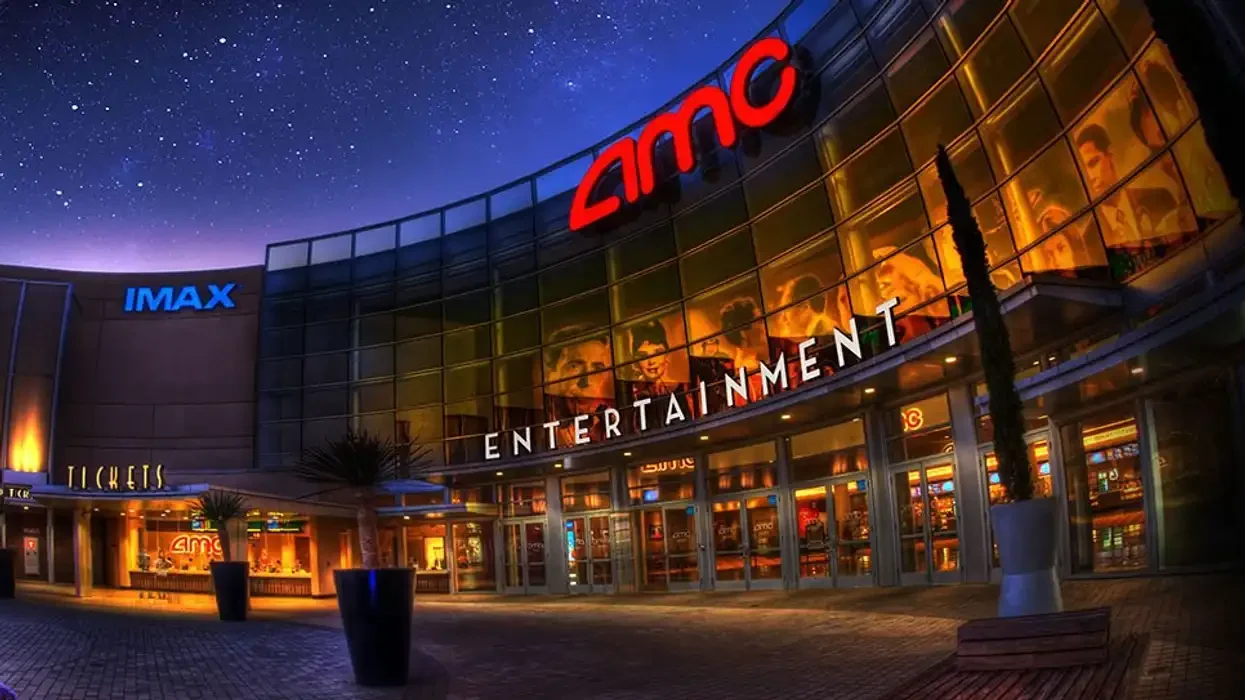
On August 31, 2026, AMC Entertainment made an announcement that could have a surprisingly significant impact on independent filmmakers. The company behind the world's largest movie theater chain is getting into film distribution.
The new company is called Leawood Films, named after Leawood, Kansas, where AMC is headquartered. The venture will operate out of both Leawood and Los Angeles and will focus primarily on small and medium-sized films that are already fully financed or completed.
That distinction is important.
Leawood Films is not planning to become another traditional studio. AMC says it will not finance productions, develop scripts, or take on the traditional risks of producing movies. Instead, it wants to find films that already exist, acquire their theatrical distribution rights, and use AMC's enormous exhibition network and marketing capabilities to get those films in front of audiences.
For independent filmmakers, that could be a meaningful difference.
The Problem With Making an Independent Film Isn't Always Making the Film
There has never been more access to cameras, editing software, affordable visual effects, and independent financing. A filmmaker can make a feature without a studio, a major production company, or even a traditional crew structure.
The harder part increasingly comes afterward.
A finished independent film can spend months or years moving through festivals, sales meetings and distribution conversations without ever reaching a meaningful theatrical audience. Streaming has created an enormous amount of access to finished movies, but simply being available on a platform is not the same thing as having a theatrical release.
Theatrical distribution requires screens, booking relationships, marketing, publicity and an audience willing to show up at a particular place and time.
Those are precisely the things AMC already has.
Leawood Films appears to be an attempt to connect those two worlds.
AMC Has Already Tested the Model
The idea did not come out of nowhere.
AMC's enormous theatrical footprint became particularly visible through its involvement with concert films such as Taylor Swift | The Eras Tour and Renaissance: A Film by Beyoncé. Those releases demonstrated that AMC could play a much more active role in bringing a film to audiences than simply renting out auditorium space.
The company says the success of those projects helped inspire Leawood Films.
But this time the target is broader.
Leawood Films will not be restricted to concert movies or music-related projects. AMC says it will consider films across genres, with a particular emphasis on smaller and medium-sized releases that might otherwise have difficulty finding distribution.
The first films are not expected until 2027 or 2028, and the company has not announced its initial slate.
The Interesting Part: AMC Doesn't Want to Keep the Movies to Itself
Perhaps the most encouraging aspect of the announcement is that Leawood Films is not intended to be exclusively an AMC distribution label.
AMC says it expects to work with other major theater chains in the United States and internationally.
That matters because a theatrical release is much more valuable when a film can reach audiences beyond one company's theaters.
The company has also brought in people with extensive studio and distribution experience, including former Warner Bros. Pictures chairman Toby Emmerich, former Disney marketing executive Ricky Strauss and Kyle Davies, formerly of Paramount and Bleecker Street.
Leawood Films will also work with independent distribution companies including Variance Films in North America and Piece of Magic Entertainment internationally.
In other words, AMC is not simply putting a new logo on a booking department. It is assembling an actual distribution operation.
A Different Kind of Studio?
It is tempting to think of Leawood Films as AMC becoming a studio.
That is not really what is happening.
The company has deliberately described itself as a low-risk distribution business. The filmmakers are expected to bring the completed or fully financed movie. Leawood then potentially provides something the filmmakers may not have been able to secure themselves: access to theatrical screens, marketing infrastructure and AMC's relationship with moviegoing audiences.
AMC has also said that filmmakers will generally retain ownership of their intellectual property and that downstream economics could differ substantially from traditional studio distribution arrangements.
That could make the company particularly interesting to independent producers who have already financed their films and want to retain control over them.
Why This Matters to Small Filmmakers
There is something almost circular about the situation facing independent cinema today.
It is easier than ever to make a movie.
It is harder than ever to make people aware that the movie exists.
A filmmaker can shoot a feature on inexpensive digital cameras, edit it on a laptop, create a poster, submit to festivals and eventually upload the finished film somewhere online. But none of those things necessarily create an audience.
A theatrical release can.
Even a modest theatrical run can generate reviews, local press, filmmaker events, social media attention and a sense that the film is an actual cultural event rather than another title buried inside a streaming library.
That doesn't mean every independent film needs a 2,000-screen release. In fact, Leawood Films' emphasis on small and medium-sized movies suggests something more modest could be the point.
A few hundred screens.
A regional release.
Special screenings.
A limited run followed by digital distribution.
For the right film, that could be enough to change the trajectory of its entire release.
There Is Still a Big Question
Of course, the announcement is only the beginning.
Leawood Films does not have a slate yet, and we don't know what its eventual acquisition criteria will look like. We also don't know how many films it will release each year, how competitive its deals will be, or how much marketing support an individual independent film will actually receive.
And there is an obvious potential conflict at the heart of the idea.
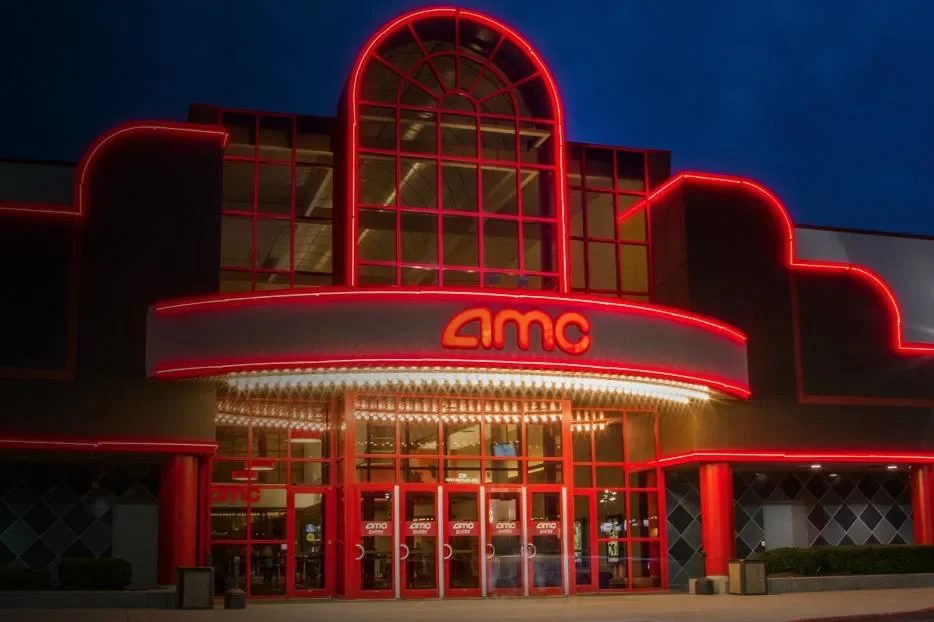
AMC is both an exhibitor and now a distributor.
That could give Leawood Films an enormous advantage when it comes to securing screens, but it will also be interesting to see how the company balances its own releases with the films supplied by traditional studios and other distributors.
AMC, for its part, says Leawood Films is intended to be additive rather than competitive with its longstanding studio relationships.
The company's argument is relatively straightforward: there are too many empty theater screens and not enough movies filling them.
If AMC can put more worthwhile films into those empty seats, everyone potentially benefits.
Maybe the Most Important Part Is the Name
There is something fitting about the name Leawood Films.
AMC began its history in Kansas City in 1920, when the Dubinsky family purchased the Regent Theatre. Decades later, AMC became one of the companies responsible for transforming moviegoing through the multiplex, and eventually grew into the largest theatrical exhibition company in the world.
Now, nearly 106 years after that first theater purchase, AMC is moving in the opposite direction.
Instead of simply waiting for Hollywood to make movies for its screens, AMC is going looking for movies itself.
That is a significant shift.
For independent filmmakers, the most interesting question isn't whether AMC is becoming a movie studio.
It's whether one of the world's largest theater companies is finally willing to make room for more of the movies that Hollywood's traditional distribution system has trouble making room for.
We'll have to wait until 2027 or 2028 to see what Leawood Films actually releases.
But for filmmakers sitting on completed independent features right now, the possibility is worth watching.
Maybe the next theatrical movie you see at an AMC isn't a blockbuster.
Maybe it's a strange little film made by someone you've never heard of, financed by people you've never heard of, and shot somewhere you've never heard of.
And maybe that is exactly the point.