
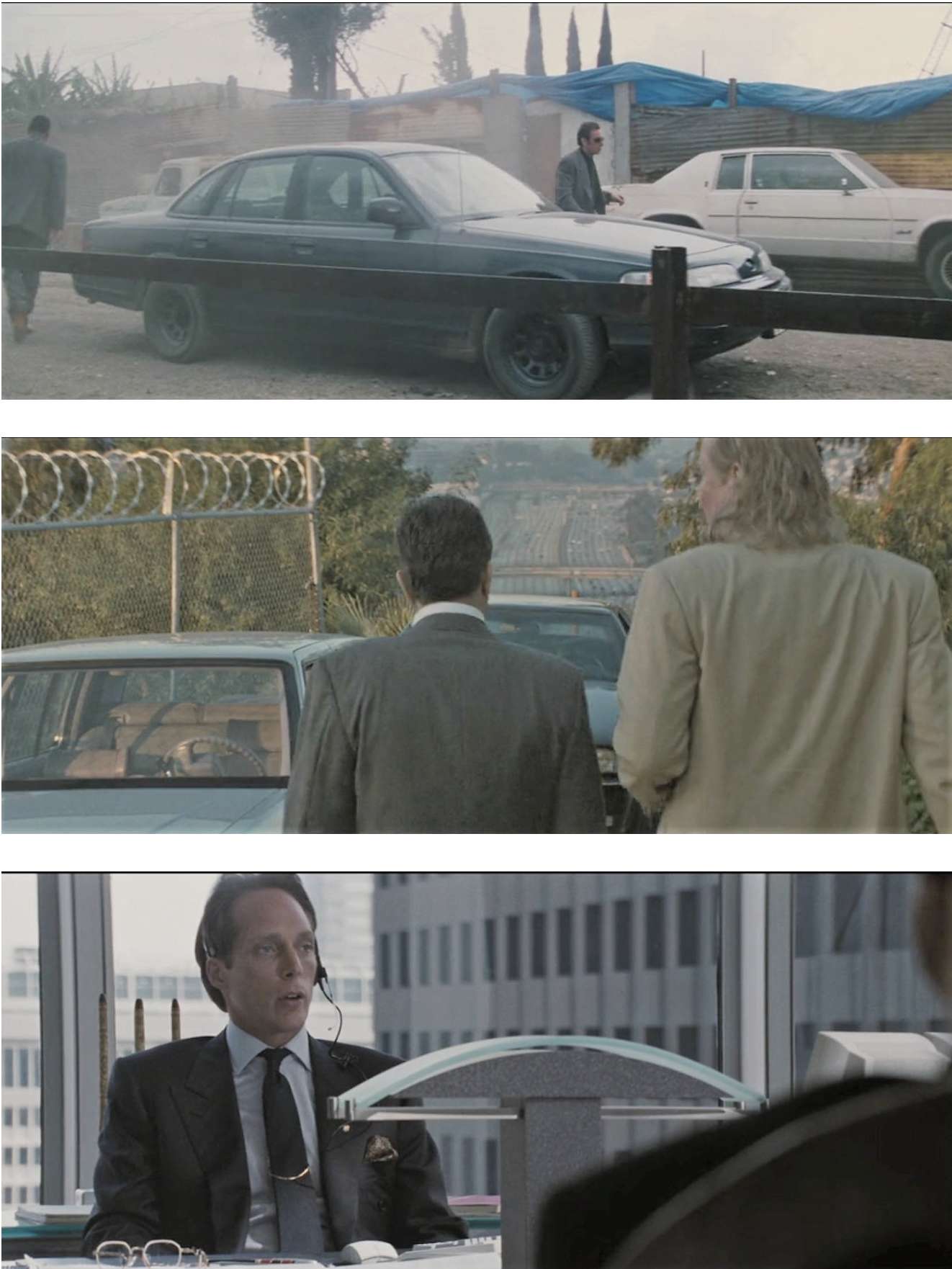
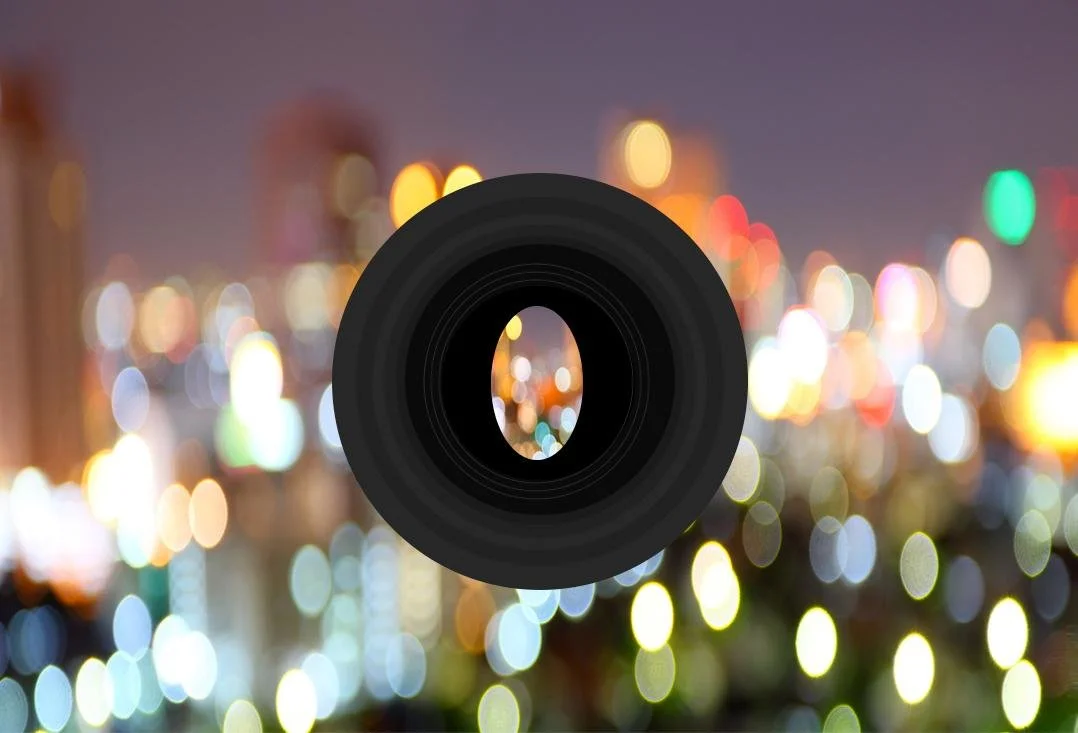
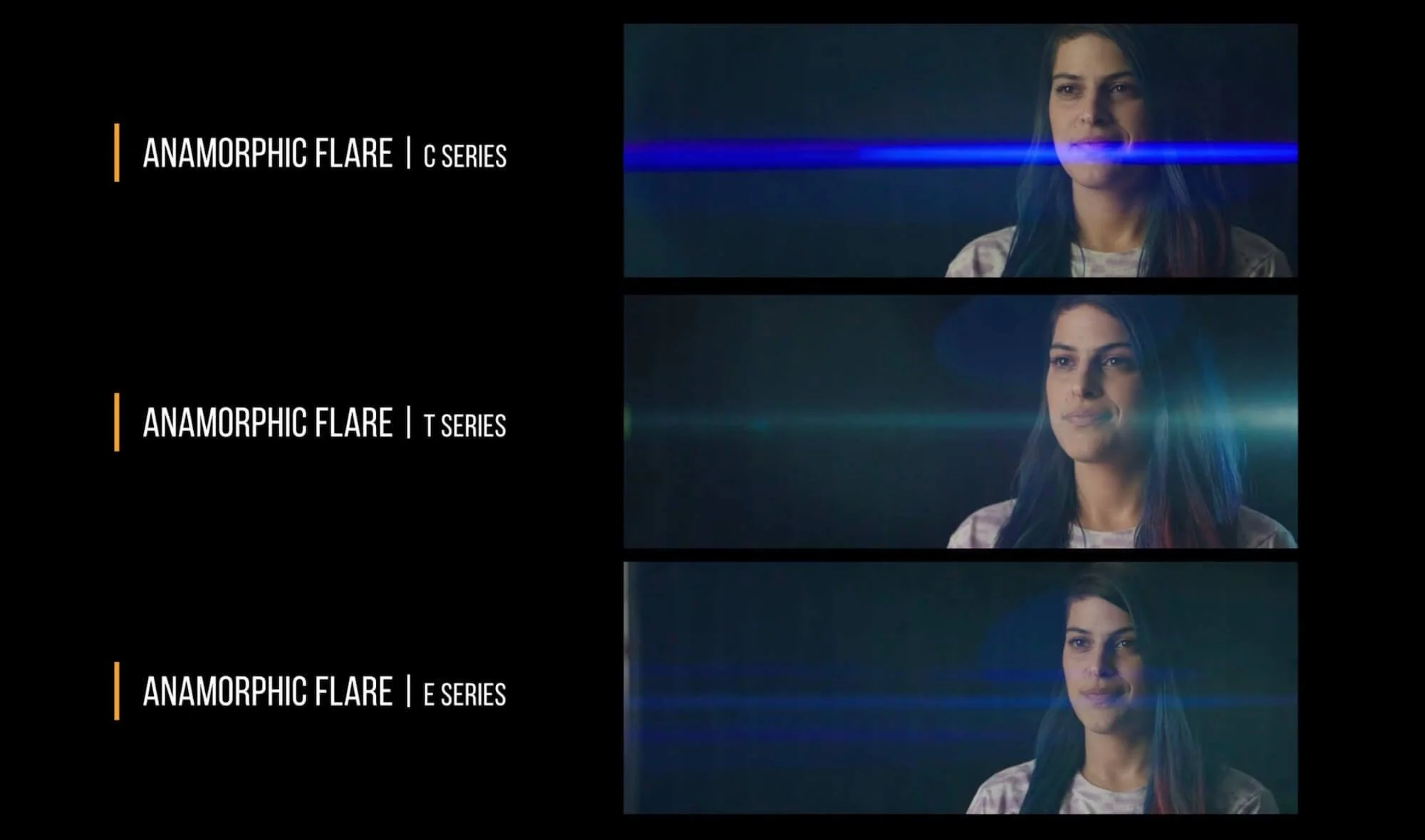
March 2026, Redlands, Calif. - Today, anamorphic lenses are often associated with cinematic character; horizontal flares stretching across the frame, oval-shaped bokeh, and the distinctive sense of scale that many filmmakers still chase. These visual signatures have become shorthand for “the cinematic look.”
But none of those traits were originally intentional.
In fact, many of the qualities filmmakers now celebrate were once considered flaws.
The Problem Anamorphic Lenses Were Designed to Solve
In the early 1950s, the film industry faced an existential challenge. Television was rapidly gaining popularity, and theaters needed a reason to bring audiences back.
One solution was spectacle.
Studios began experimenting with wider images that could fill the cinema screen and create a more immersive experience than television could offer. This eventually led to the introduction of CinemaScope, a widescreen format that relied on anamorphic lenses to capture a much wider field of view.
Anamorphic lenses worked by compressing the image horizontally during filming. The squeezed image would later be expanded during projection, producing the wide aspect ratio audiences saw on screen.
This allowed filmmakers to record a widescreen image using standard 35mm film without sacrificing image resolution.
The goal was purely practical: fit a wider image onto existing film stock.
The distinctive look that came with it was simply a byproduct of the optical design.
The Imperfections of Early Anamorphic Glass
Early anamorphic lenses were far from perfect.
The optical designs used cylindrical elements to squeeze the image, which introduced several side effects. Focus could be inconsistent across the frame, distortion often appeared near the edges, and certain highlights stretched into unusual shapes.
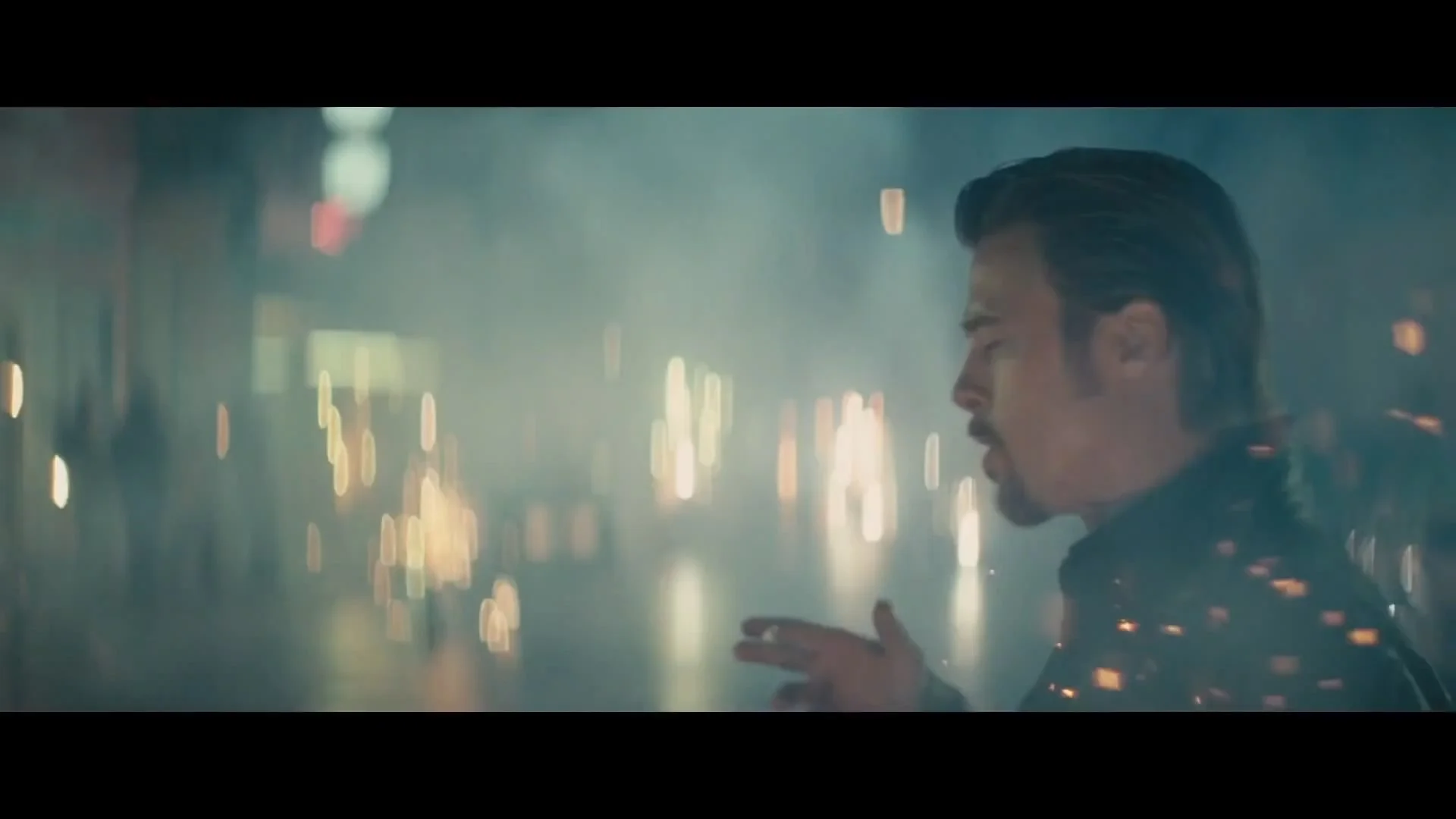
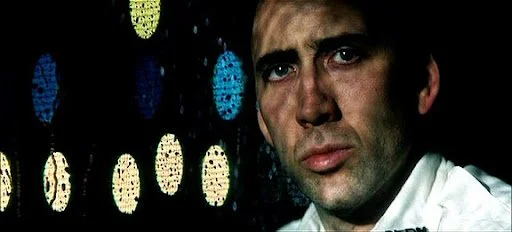
When lights appeared out of focus, instead of forming circular bokeh like spherical lenses, they stretched vertically into oval shapes. In motion or certain lighting conditions, those shapes sometimes cascaded through the frame like falling droplets - a phenomenon many filmmakers now describe as “waterfall bokeh.”
Flares were another byproduct. When bright light sources hit the cylindrical elements, reflections would streak horizontally across the image.
At the time, these behaviors were often seen as technical limitations rather than artistic advantages.
The Flaws That Became Character
Over time, something unexpected happened. Filmmakers began to embrace these imperfections.
Directors and cinematographers discovered that the artifacts created by anamorphic lenses added a unique emotional quality to images. The flares felt dramatic and energetic. The oval bokeh created depth and separation in ways that spherical lenses didn’t replicate. Even the slight distortions and edge softness contributed to a feeling that the image was passing through real glass rather than a perfectly corrected optical system.
What had once been technical compromises gradually became aesthetic tools.
By the time anamorphic cinematography became synonymous with epic films and sweeping landscapes, those quirks were no longer seen as problems. They were part of the language of cinema.
Why Filmmakers Still Love Them
Today, the popularity of anamorphic lenses continues not because they are optically perfect, but because they are not.
Modern digital cameras are capable of producing extremely clean, precise images. In that environment, the imperfections of anamorphic glass (flares, stretched highlights, subtle distortions) can introduce a sense of texture and personality that many filmmakers find appealing.
Those artifacts remind us that an image has passed through physical optics before reaching the sensor.
They give the frame a kind of charisma.
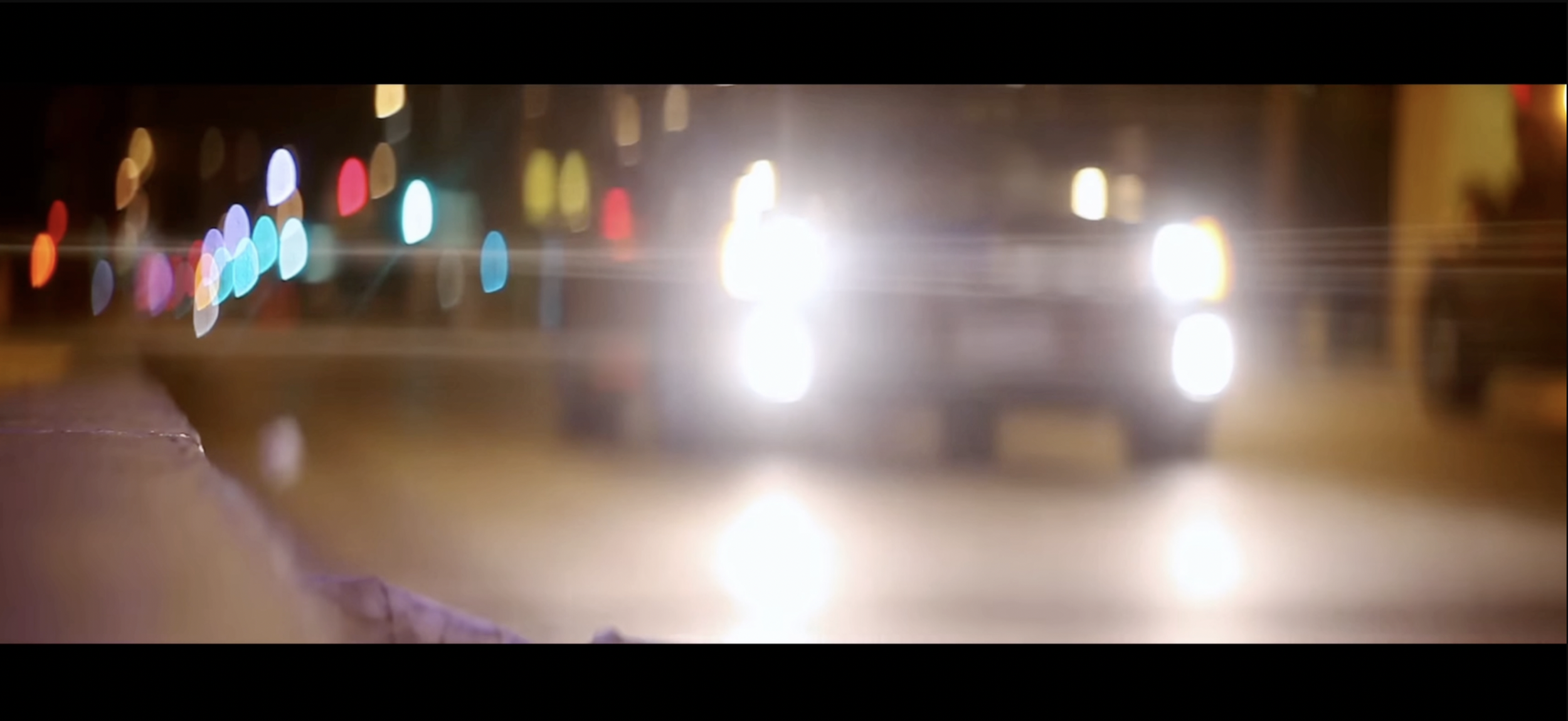
Oval Anamorphic Bokeh produced by the CineMorph Filter looks identical to a real Cinemascope-Anamorphic Lens.
The Beauty of Optical Artifacts
The story of anamorphic lenses is a reminder that some of the most beloved characteristics in cinematography were never planned.
They emerged from the limitations of glass, engineering compromises, and the practical need to project a wider image onto a cinema screen.
Yet decades later, those same imperfections remain some of the most recognizable and celebrated visual signatures in filmmaking.
What began as a technical workaround became part of cinema’s visual language.
And the flaws we once tried to avoid are now the very artifacts we love the most.
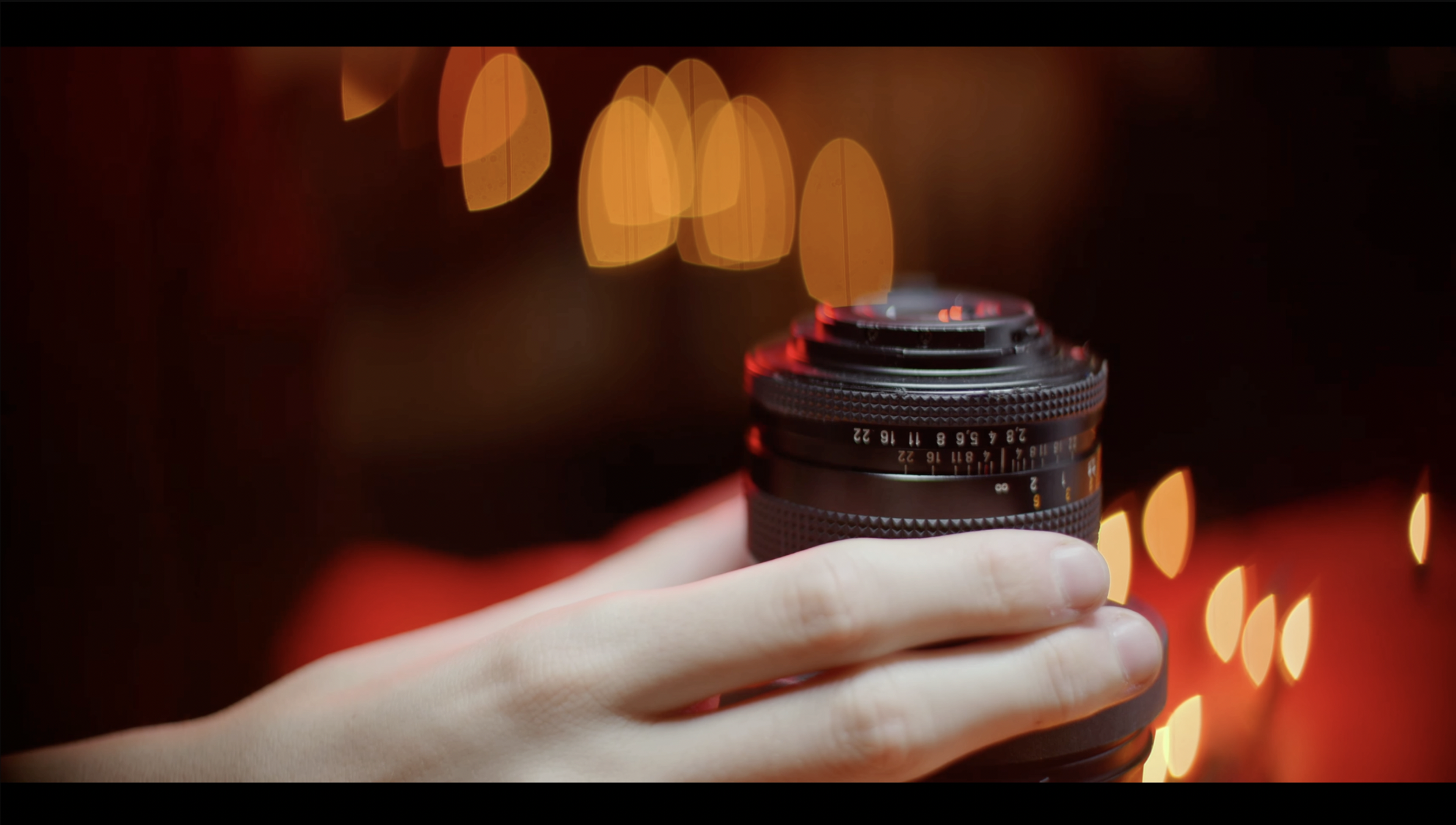
Oval Anamorphic Bokeh produced by the CineMorph Filter looks identical to a real Cinemascope-Anamorphic Lens.
By the Vid-Atlantic Team
Artifacts Journal