
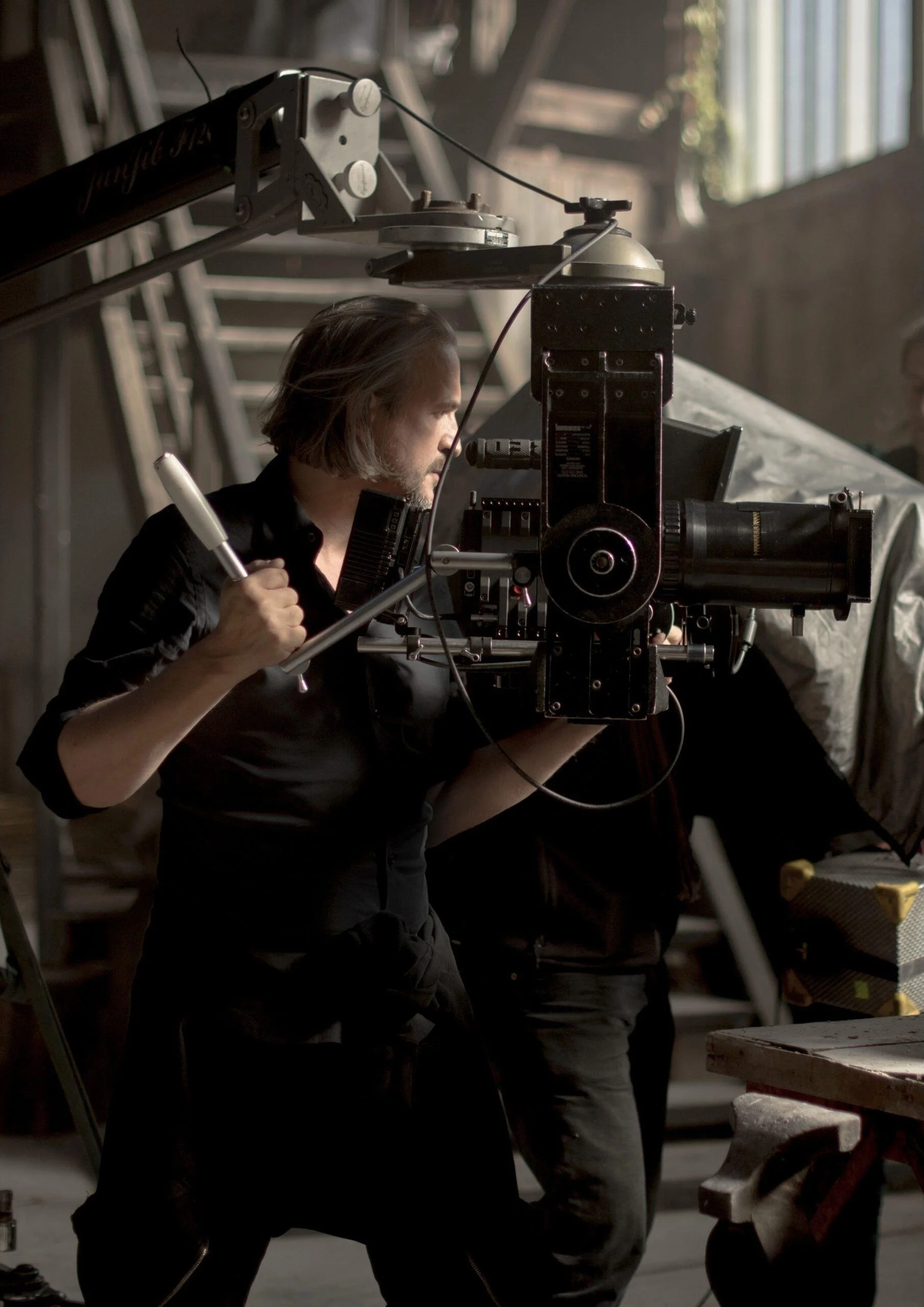
In the rare overlap between high art and high-end advertising, few collaborations feel as meticulously crafted as those between Bruno Aveillan and Philippe Le Sourd. Their work doesn’t just sell a product, it suspends time. It invites the viewer into a heightened sensory space where light behaves less like illumination and more like memory.
Aveillan, known for his near-mythic approach to brand storytelling, pairs naturally with Le Sourd’s painterly cinematography. Le Sourd, whose work on films like The Grandmaster earned widespread acclaim, brings that same tactile sensitivity to texture, contrast, and diffusion into the commercial world. Together, they create images that feel carved rather than captured.
The Prism as a Narrative Tool
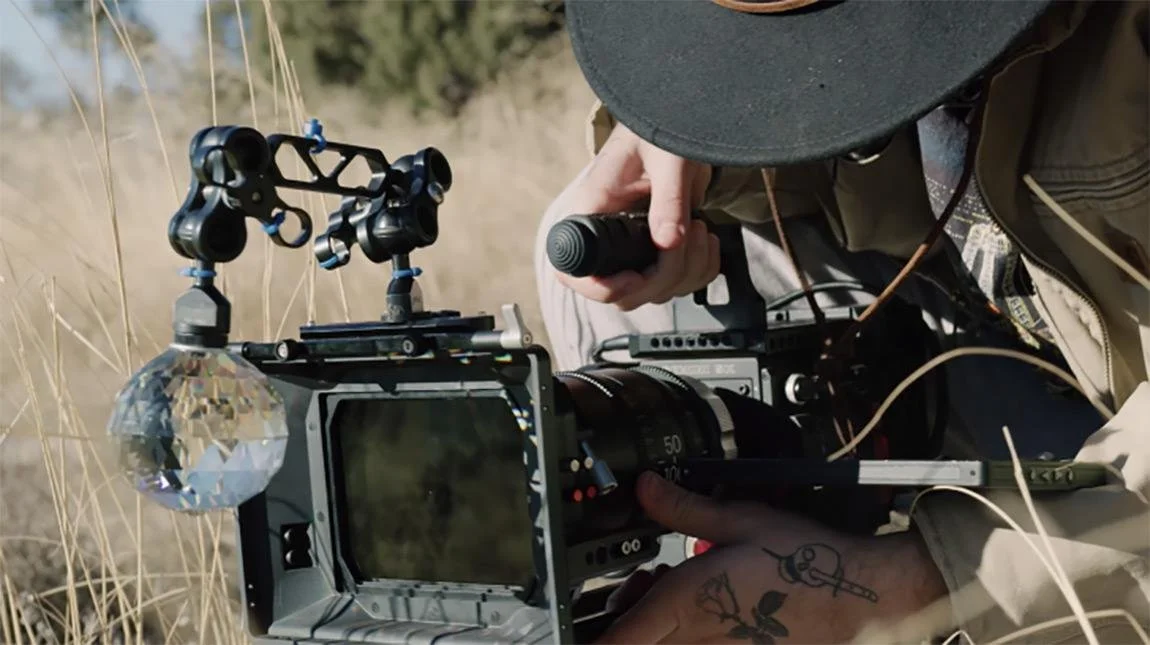
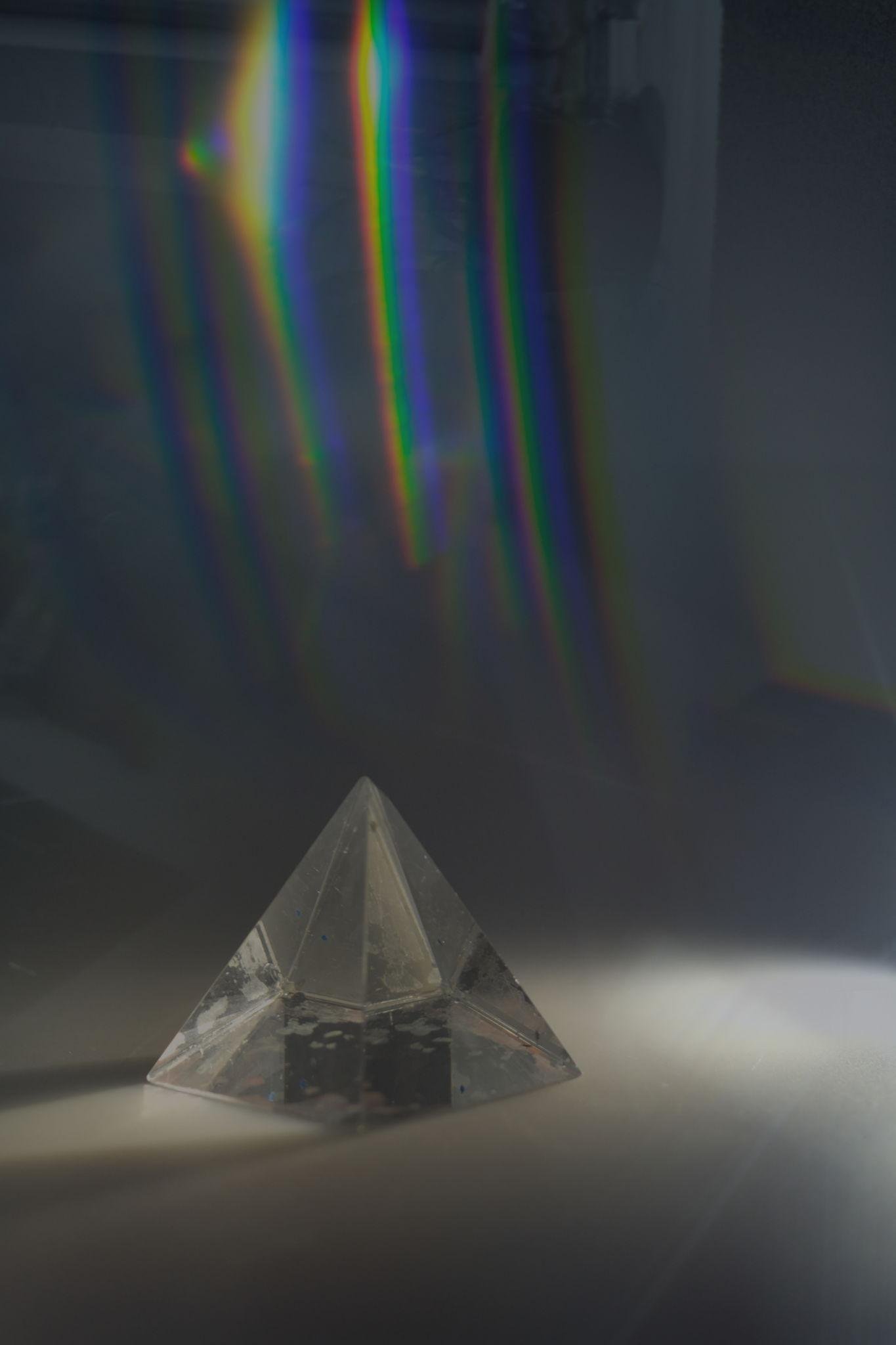
One of the most distinctive techniques in their shared visual language is the use of prisms placed directly in front of the lens. This isn’t a gimmick. It’s a philosophy.
Instead of relying on digital post-effects, they bend light physically, introducing controlled aberrations, flares, and fractures into the frame. The prism becomes an intermediary between reality and perception. Faces fragment. Highlights stretch into spectral streaks. Motion echoes across planes of glass.
This approach achieves something deceptively simple: it makes the image feel alive.
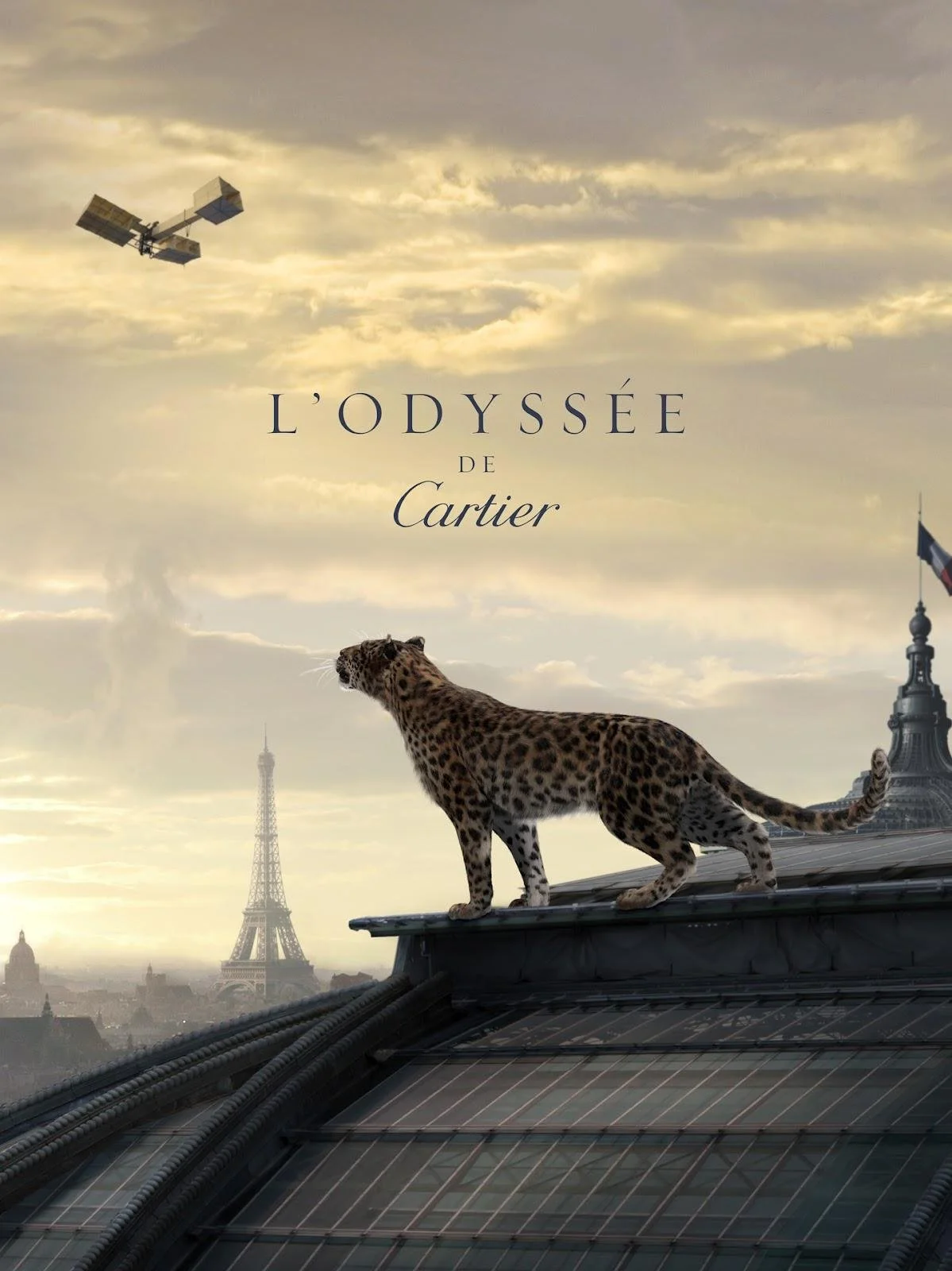
In luxury advertising, especially for brands like Cartier or Louis Vuitton, perfection can feel sterile. The prism disrupts that perfection just enough to introduce vulnerability, unpredictability, even intimacy. It transforms polished surfaces into something more human.
Precision Disguised as Poetry
What’s easy to miss is how technical this really is. Prism work requires exacting control over angle, distance, and light intensity. A slight shift can ruin continuity or overwhelm the frame. Yet in Aveillan and Le Sourd’s hands, the effect feels effortless, almost accidental.
That’s the illusion.
They often pair prisms with shallow depth of field, allowing refractions to drift in and out of focus like thoughts. Highlights are carefully positioned to “catch” the prism at just the right moment. The result is not chaos, but orchestration disguised as spontaneity.
Beyond the Effect
The real success of their collaboration is that the technique never calls attention to itself for long. The viewer may not consciously register the prism, but they feel it. It creates a subconscious layering, an emotional doubling of the image.
In a medium obsessed with clarity and resolution, Aveillan and Le Sourd lean into distortion, not as a flaw, but as a form of truth.
There’s more to unpack here, especially in how their commercial work borrows from fine art traditions and analog experimentation. We’re hoping to dig deeper into their process and philosophy soon. If possible, we’d love to sit down with both of them for a proper conversation and explore how these techniques evolve from concept to final frame.
Hopefully to be continued.
by VAMP
for Artifacts Journal