Filmmaking is full of artifacts.
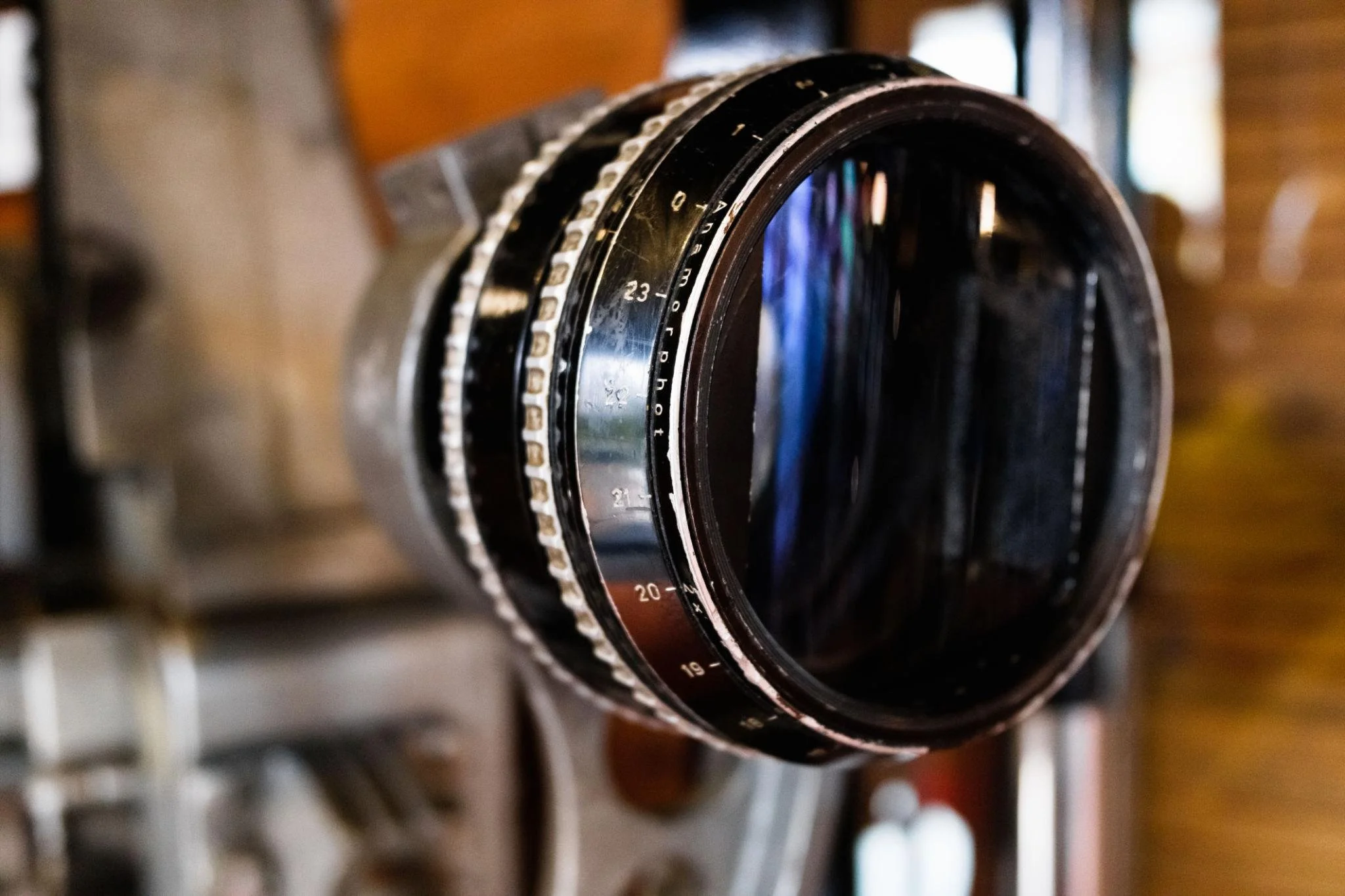
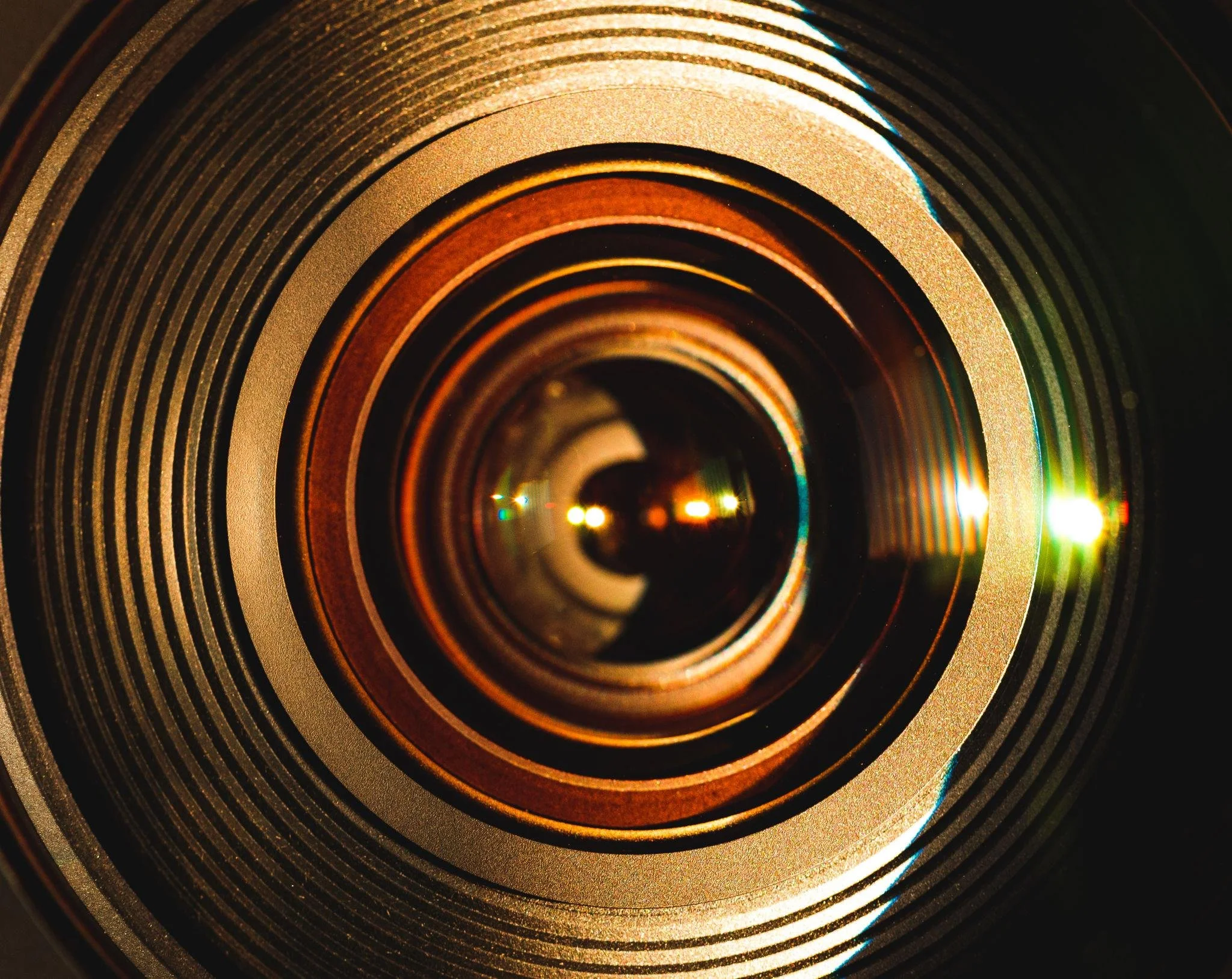
January 2026, Redlands, Calif. - Filmmaking is full of artifacts. Not just the digital kind that comes from compression or algorithms, but also the physical ones - light bending through glass, reflections bouncing between lens elements, flares stretching across the frame, imperfections that make an image feel alive. And more importantly, the emotional ones that stick with us and make us think long after the credits.
Those artifacts are what first drew us to cameras, lights, lenses…and writing.
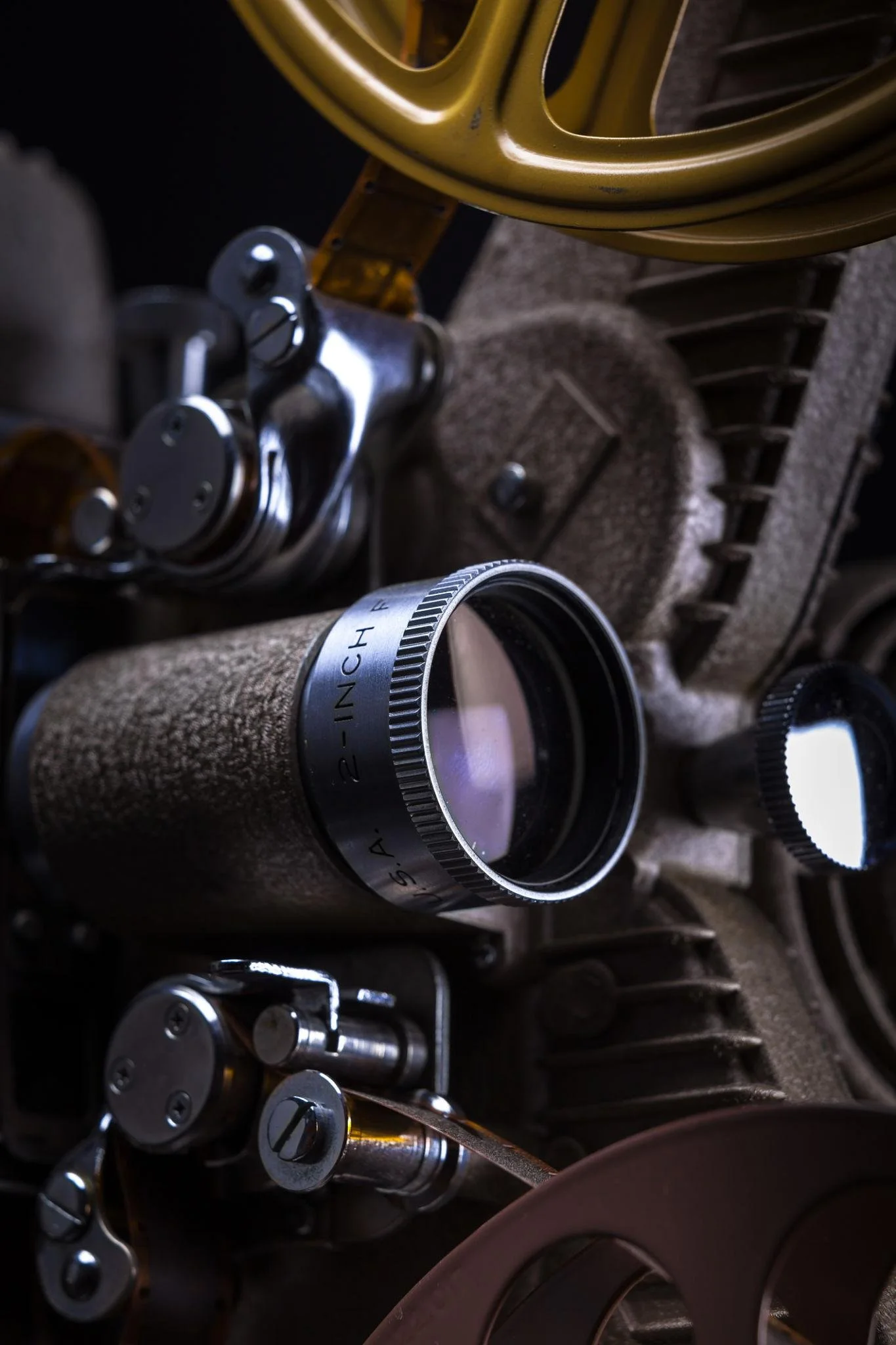
Before Vid-Atlantic existed as a company, we were filmmakers chasing images that felt different from the polished, clinical look that was beginning to dominate digital cinema. We were shooting skate videos in the early 1990s, music videos in the late 2000s, experimenting with projection lenses, breaking apart old optics, and trying to understand why certain images felt cinematic while others didn’t.
Somewhere along the way, those experiments became a small collection of tools that other filmmakers wanted to use. Vid-Atlantic grew out of that process - less as a traditional gear company and more as a continuation of the same curiosity that started behind the camera.
Artifacts is a place to document that curiosity and others subjects that catch our attention.
This space isn’t meant to be a marketing channel. It’s a journal about filmmaking, cinematography, and the people whose work continues to inspire us.
Over time, you’ll find several kinds of stories here.
Conversations with Cinematographers
Many of the visual ideas that shaped our work came from watching the images of other filmmakers.
Some of those filmmakers are widely known, others less so, but all of them have influenced how we think about light, lenses, and visual storytelling.
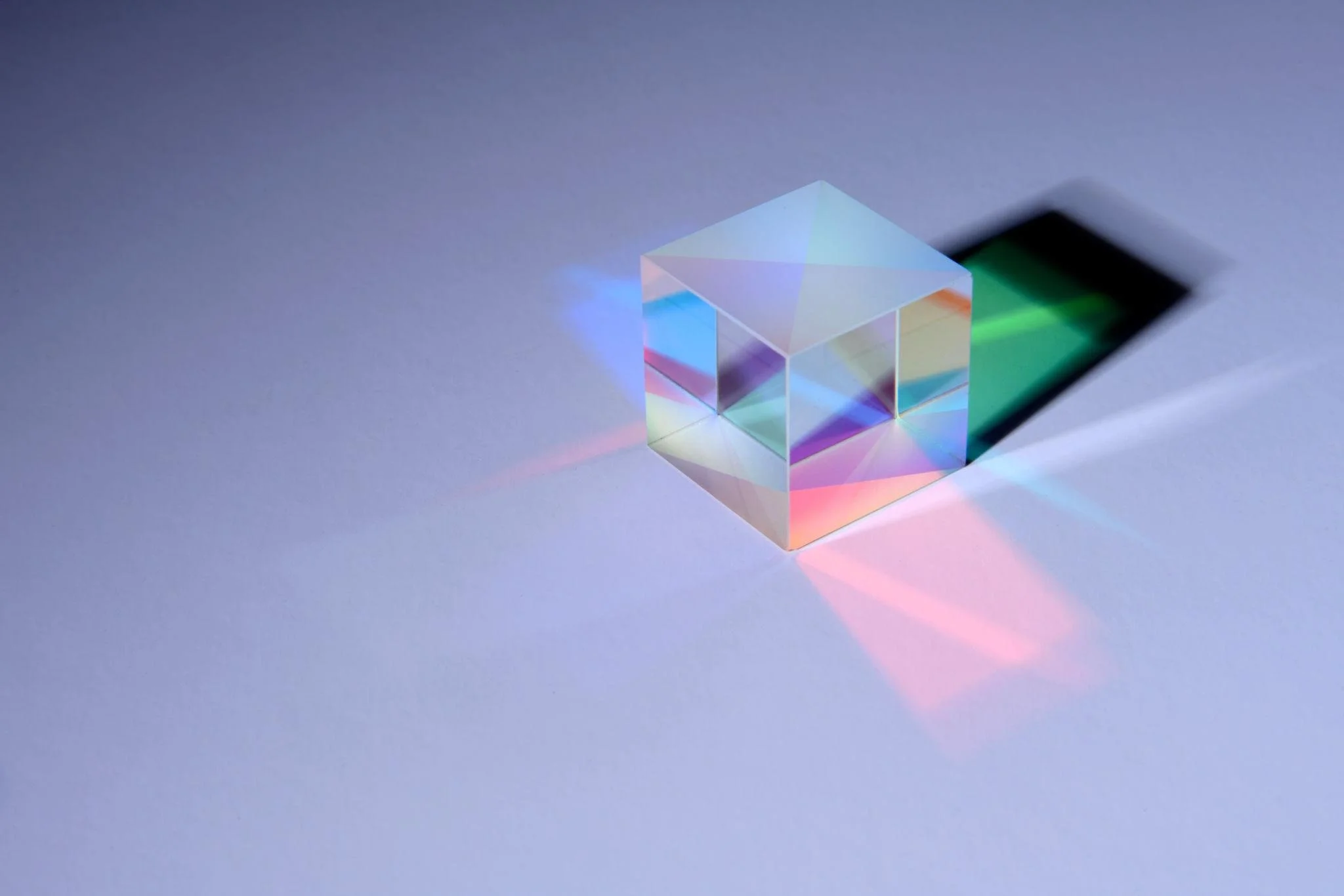
We’ll be speaking with cinematographers and directors whose work continues to push visual language in interesting directions. We’re reaching out to a team of well-known artists whose dreamlike use of prisms and fractured light helped redefine what modern cinematography can look like. We first opened up a ling of communication with them way back in 2011 for this very purpose; a filmmaking blog discussing our upcoming products and the inspiration behind them.
Sometimes these conversations will be technical. Other times, they’ll simply explore the visual instincts behind certain images.
Stories From Set
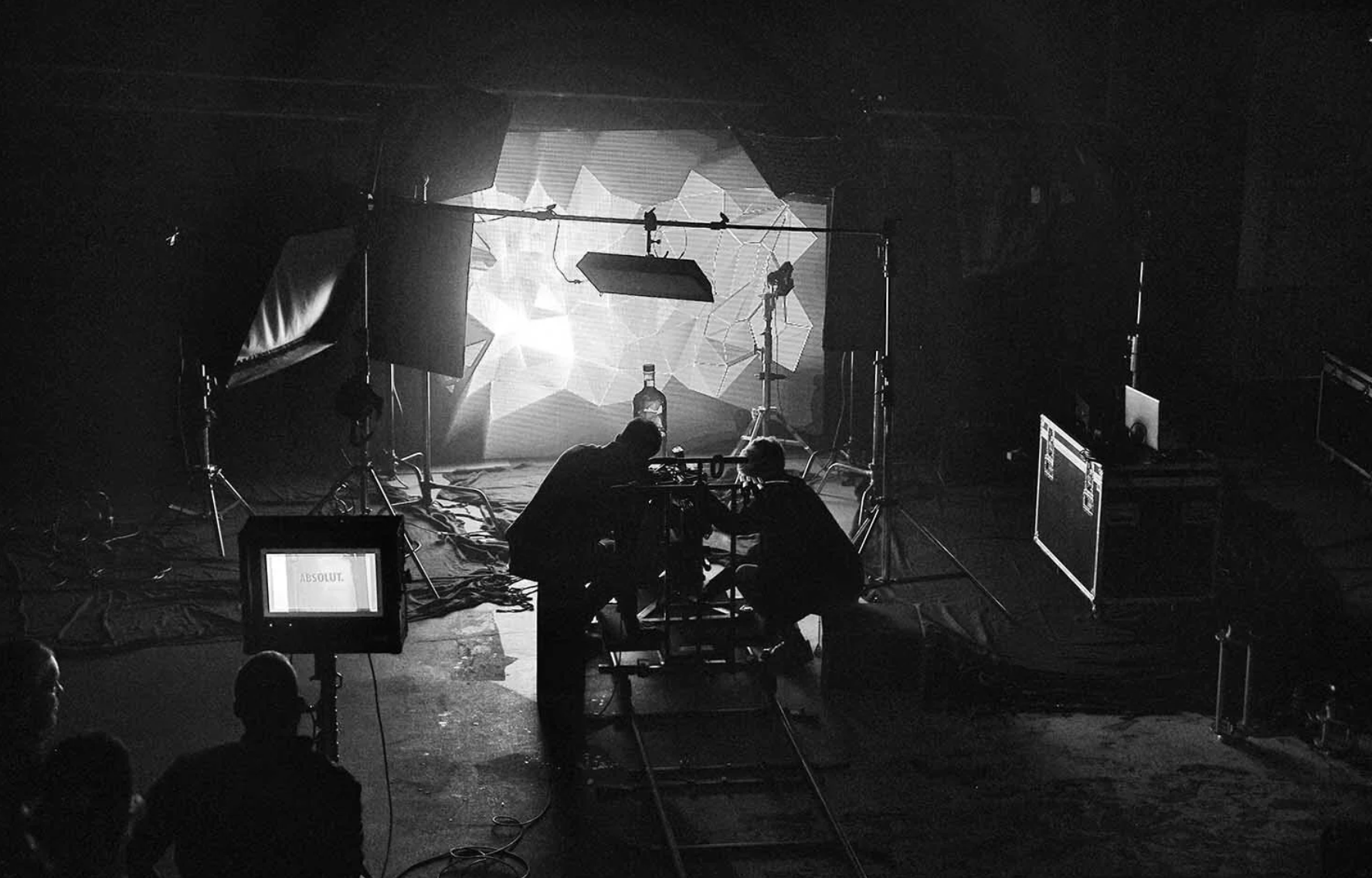
Occasionally, we’re lucky enough to see our tools used in productions far larger than the experiments where they began.
Artifacts will document those experiences as well - visits to sets, conversations with crews, and glimpses into how cinematographers adapt lenses and filters to fit their own visual language.
These aren’t product showcases. They’re simply stories from the places where filmmaking actually happens.
Where We Came From
Vid-Atlantic didn’t begin in a laboratory or a design studio.
It started with filmmaking in rural Maryland, USA - hence the play on the regional term Mid-Atlantic.
Before the filters and adapters existed, we were shooting skateboarding montages, music videos, experimenting with projection lenses, and learning the craft the same way most filmmakers do - through trial, error, lots of gaffer tape, glue, and a lot of late school nights.
Along the way, we were fortunate enough to create work that reached audiences far beyond those early experiments, including projects recognized by music video’s highest honor; our first-ever music video won an actual MTV VMA Moon Man - pretty crazy! Eventually, that path carried us from Washington, D.C./Baltimore, to Miami/Fort Lauderdale, and eventually to Southern California, where we continue to make films while developing filmmaking tools.
Some of those early stories, both successes and failures, will find their way here.
The Places We Film
Los Angeles tends to dominate conversations about filmmaking in Southern California, but there are countless stories being told just beyond its borders.
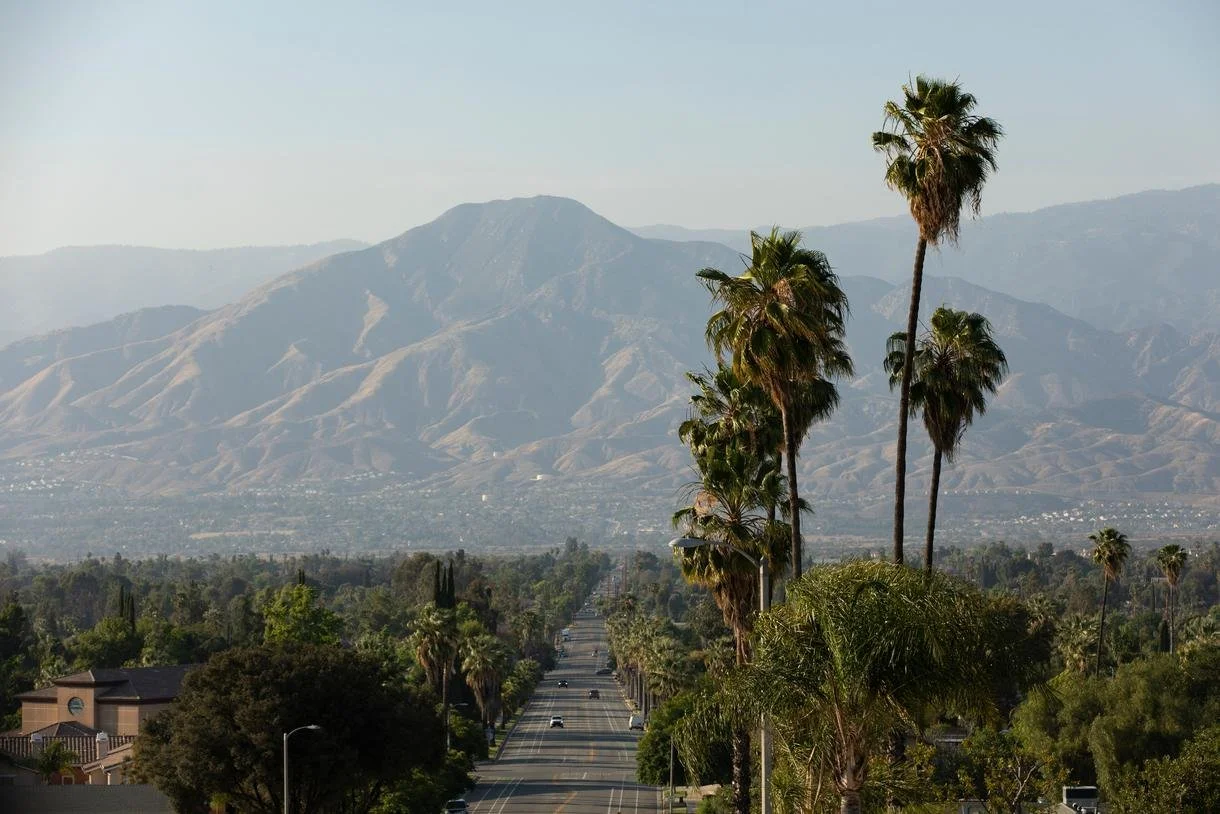
Today we’re based in the Inland Empire (Redlands to be exact), a region with its own landscapes, textures, and creative communities. Artifacts will occasionally highlight filmmaking happening here and in other places that don’t always receive the attention they deserve.
Cinema has never belonged to a single city, but the light of Southern California has a way of framing things nicely.
People
Filmmaking is collaborative by nature.
We’ll introduce the artists, technicians, and collaborators who have helped shape Vid-Atlantic along the way, from cinematographers and directors to the editors, designers, and builders who work behind the scenes.
Artifacts will also spotlight filmmakers whose work we admire, whether they’re internationally recognized or quietly creating remarkable images on smaller stages.
Films & Projects we’ve worked on
We’ll also occasionally share glimpses into the films we’re currently involved with, projects in development, productions underway, and the creative ideas driving them.
Again, the goal isn’t promotion. It’s simply to document the process of filmmaking as it unfolds from the perspective of a few filmmakers working their way up, down, and all around.
Films We Love
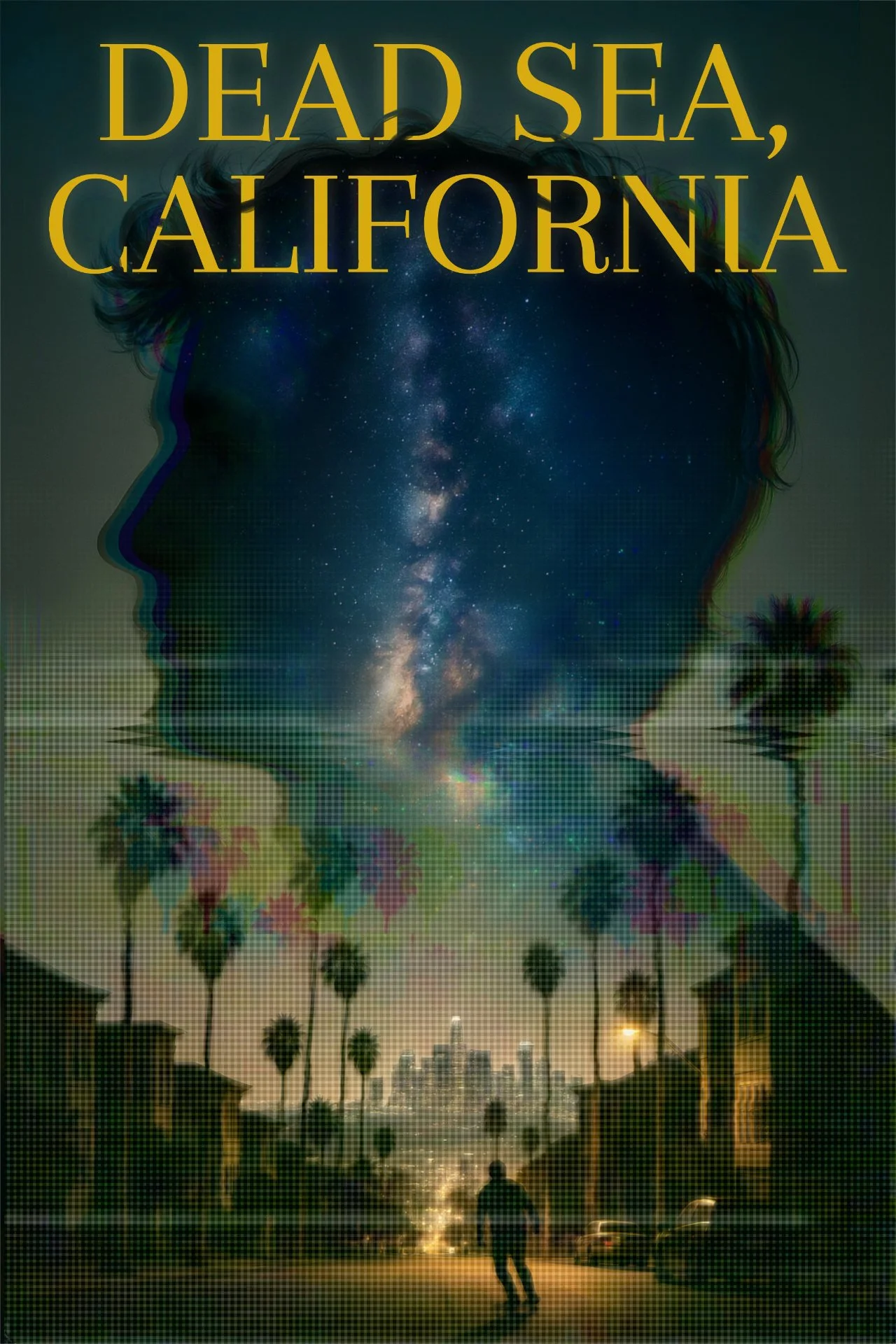
Film reviews and spotlight. This isn’t a traditional review column.
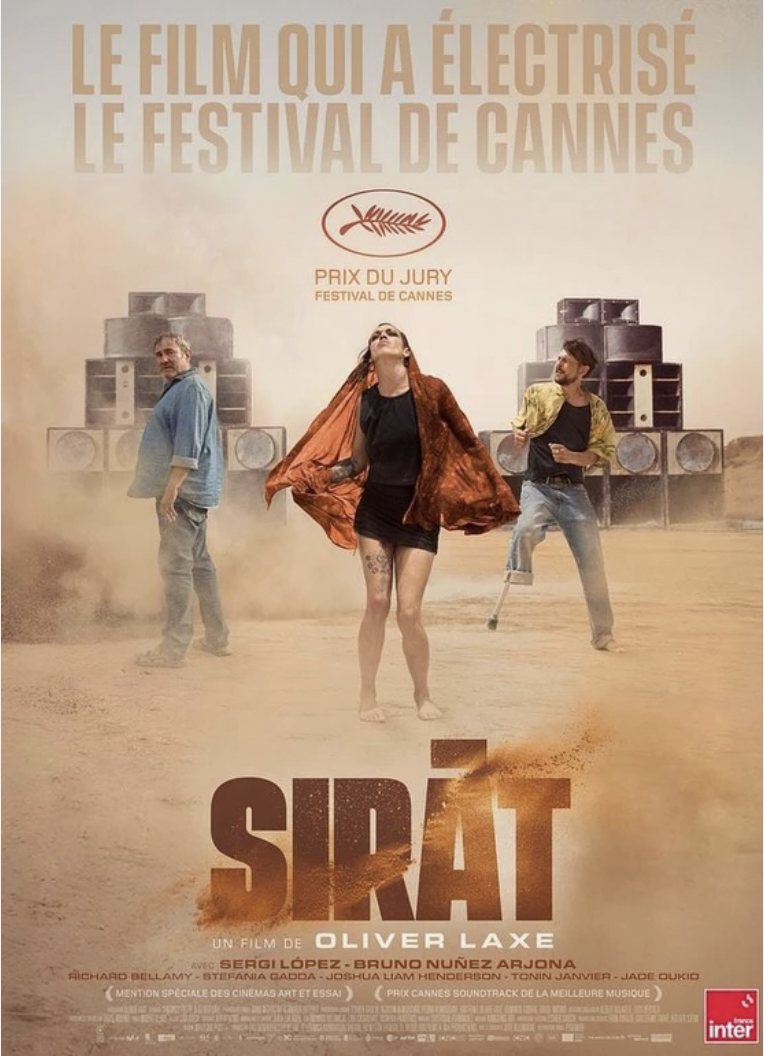
Reserved for the rare films that truly stop us in our tracks - the ones that remind us why we fell in love with cinema in the first place.
When a film genuinely moves the needle, visually, emotionally, or creatively, we’ll share it here. Not as critics, but as filmmakers responding to work that inspires us.
Why Artifacts?
The word “artifact” usually refers to something left behind.
A trace of a process.
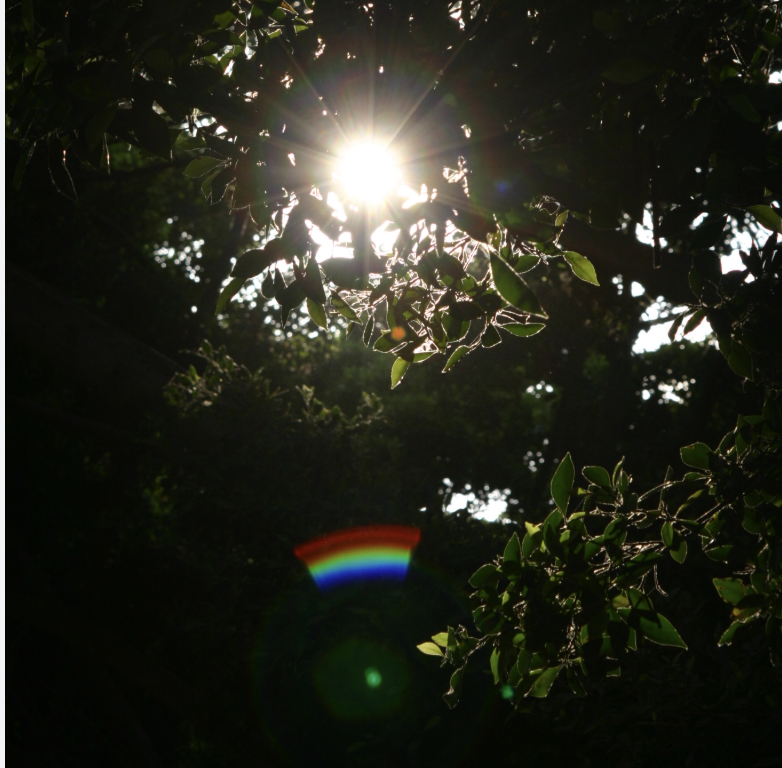
In cinema, artifacts are often the things that make an image feel human: the flare that catches the edge of a frame, the reflection that wasn’t entirely planned, the distortion that reminds us light has passed through real glass before reaching the sensor.
Those small imperfections are what first made us fall in love with lenses.
Artifacts will be a place to explore ideas and thoughts that linger past the credits.
And the filmmakers who continue to create them.
By the Vid-Atlantic Team
Artifacts Journal