
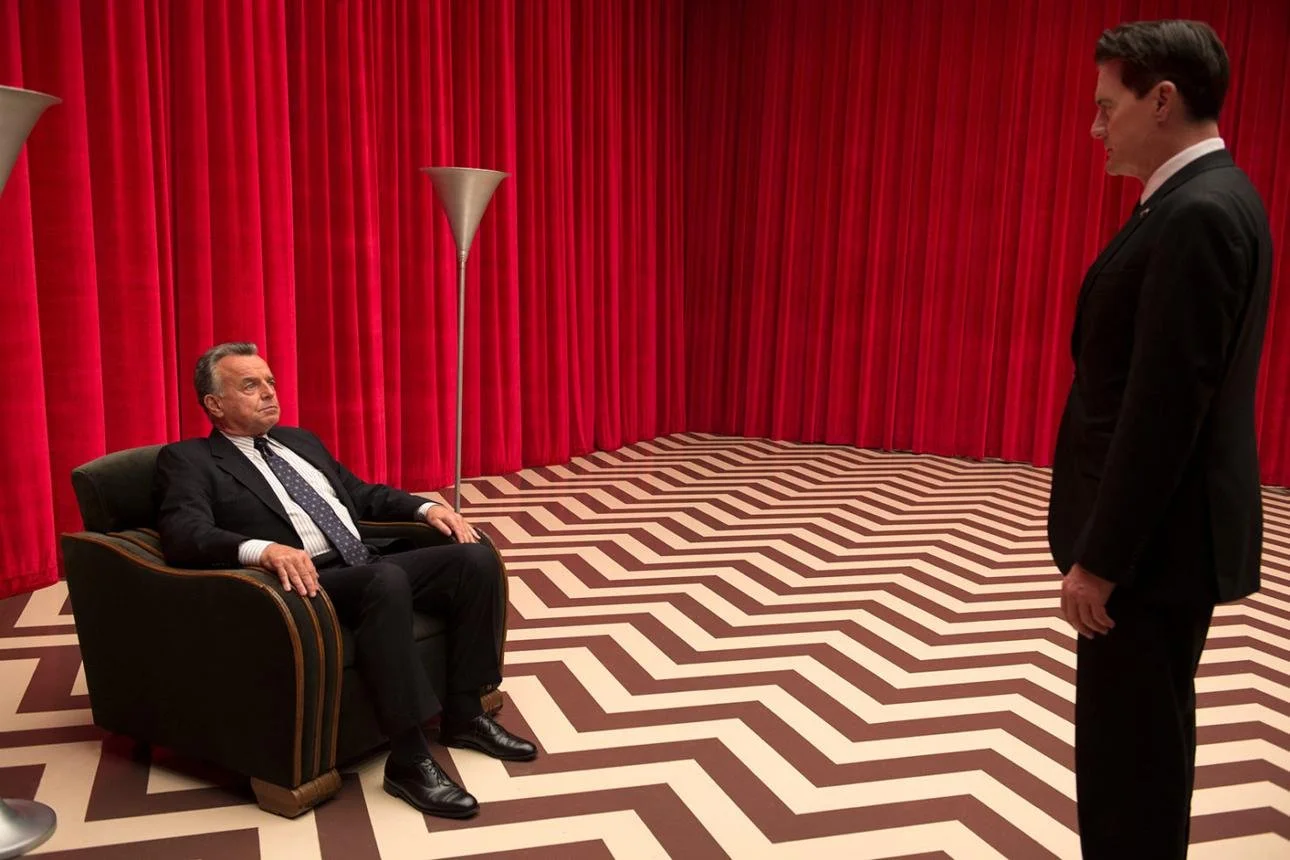
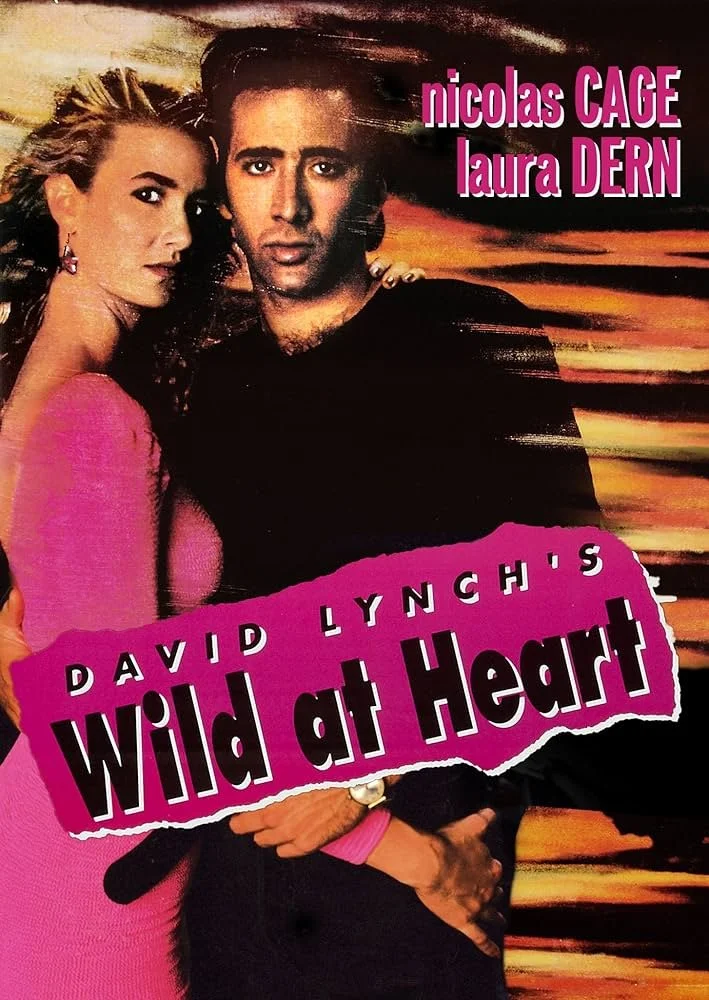
March 2026, Redlands, Calif - Once a week, at eleven years old, I’d sit by the TV just to hear the music from my older sister’s evening soap opera, Twin Peaks. At the time, it wasn’t about the characters or the visuals; those wouldn’t fully land for another ten years. It was the sound that stayed with me. Years later, I rediscovered that world through David Lynch, Julee Cruise, and Angelo Badalamenti during a late-night, tear-filled Lynch marathon on IFC, Blue Velvet, Lost Highway, Twin Peaks: Fire Walk with Me, and Wild at Heart. That night, Laura Palmer broke my heart. The next day, I went straight to the video store to buy the VHS box set of the series I had only remembered for its music, those late, dreamy evenings soundtracking simple middle school homework and half-formed love notes.
For a brief window between 1989 and 1991, mainstream music and media slipped into a strange emotional register, one that felt both intimate and distant, cold and warmly lit, grounded and dreamlike.
It wasn’t labeled at the time. It wasn’t a formal movement. But across radio, MTV, film, and television, the same atmosphere kept surfacing:
aestheticized loneliness, wrapped in warmth.
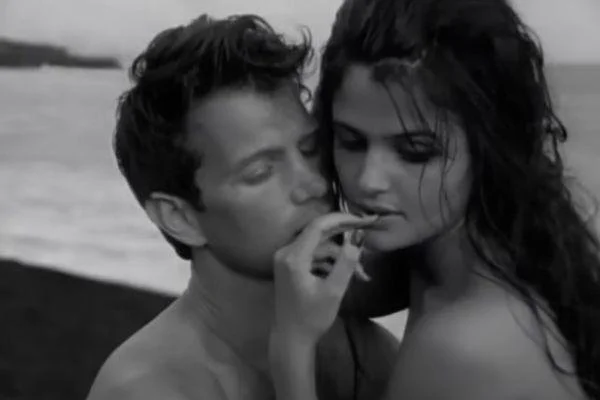
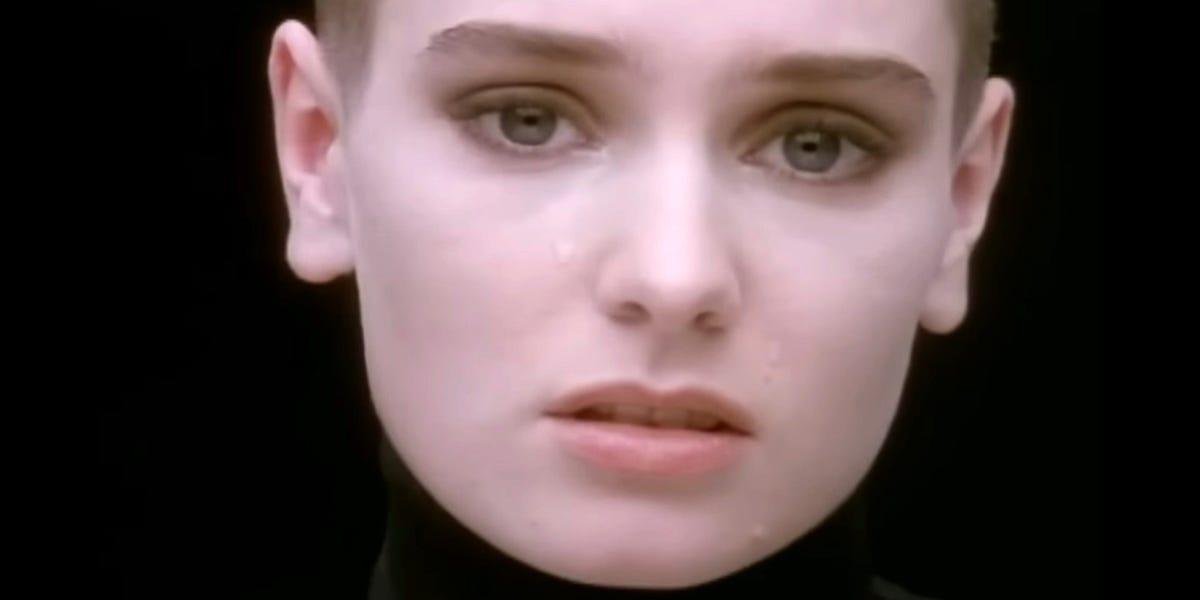
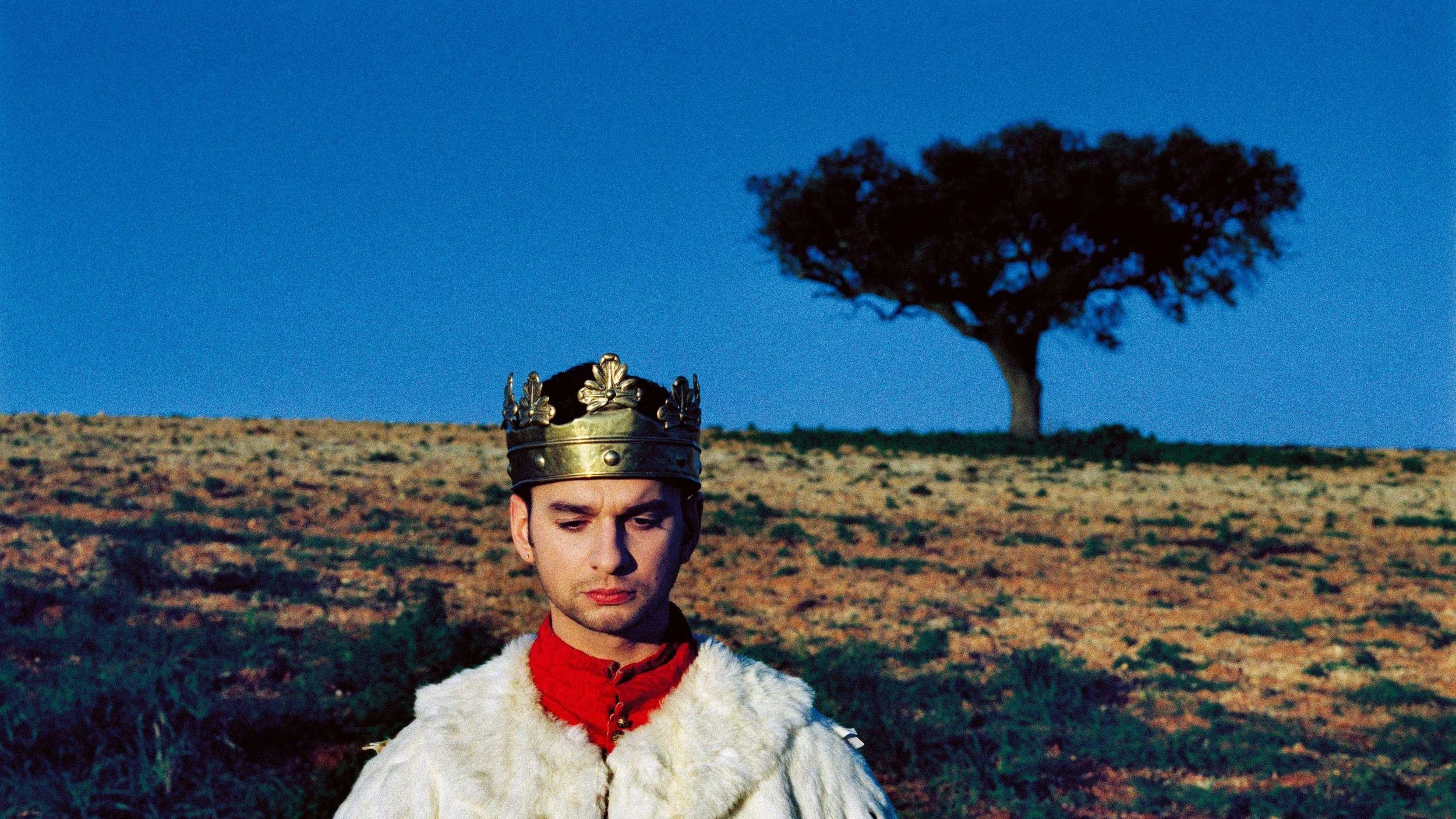
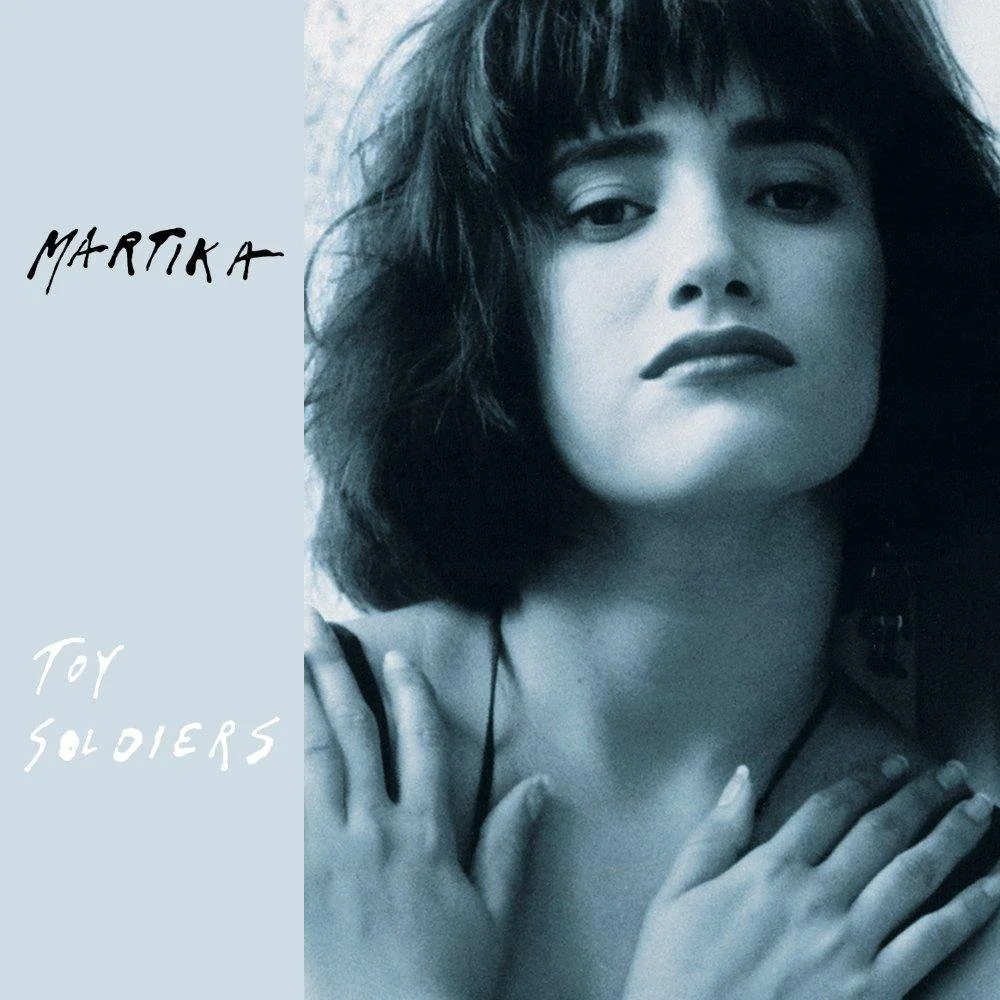
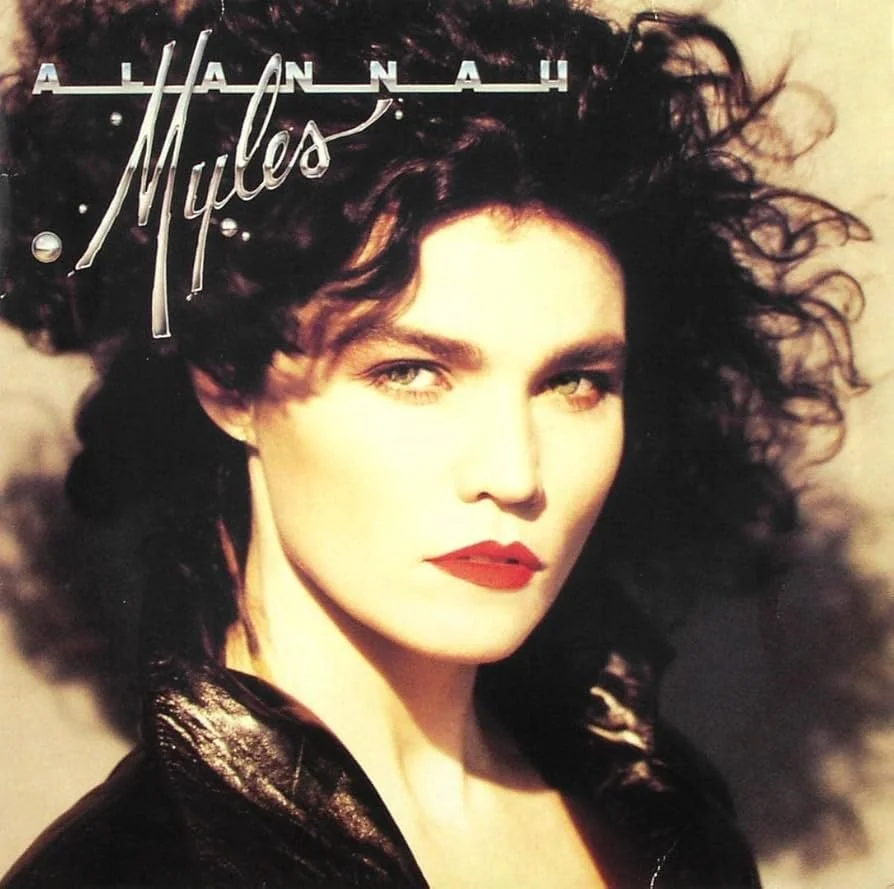
Songs like Tom’s Diner, Enjoy the Silence, Nothing Compares 2 U, and Wicked Game didn’t just succeed commercially; they shifted the emotional tone of the mainstream. Even Toy Soldiers, with its hushed delivery and spectral restraint, felt like it belonged to the same world. It brought you down emotionally but lifted you up spiritually.
At the same time, Twin Peaks and Wild at Heart translated that mood visually: deep shadows, saturated warmth, and a sense that reality itself was slightly unstable. Only Lynch could create horror films while wrapping you up in a nice warm blanket.
The Sound of Emotional Distance
What defined these songs wasn’t genre, it was space.
Arrangements were stripped down or carefully controlled. Reverb created a sense of physical and emotional distance. Vocals felt close, but psychologically far away. Lyrics circled absence, memory, and quiet devastation. Enjoy the Silence was the perfect example of the time. Violator was the album and a near-perfect sound vessel.
This was a departure from the maximalism of mid-80s pop. Instead of excess, there was containment. Instead of energy, suspension.
The result was a paradox:
music that felt intimate, but unreachable.
Darkness Lit by Warmth
Visually, the era shared a consistent contradiction.
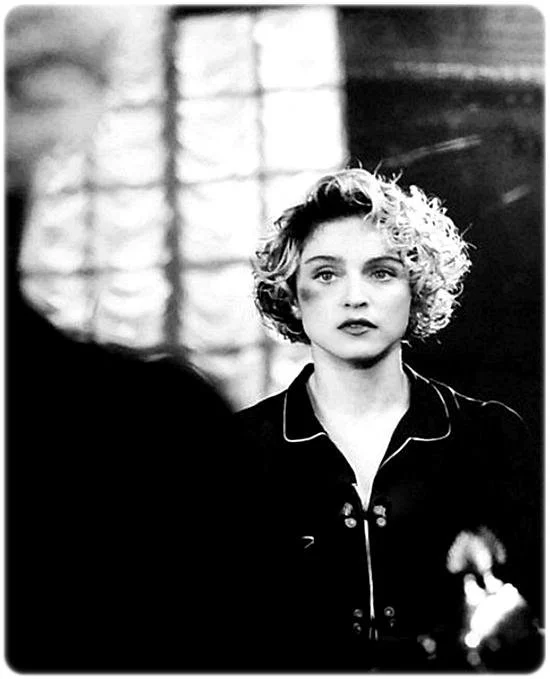
Night, shadow, emotional heaviness, paired with warm glows: neon, tungsten, candlelight. Black-and-white imagery felt nostalgic but slightly off, as if memory itself couldn’t be trusted. Was it friend, or was it faux?
In Twin Peaks, interiors glow with comfort while something deeply wrong lingers beneath. In Wicked Game, sensual imagery plays out in stark monochrome, turning romance into something isolating rather than connective.
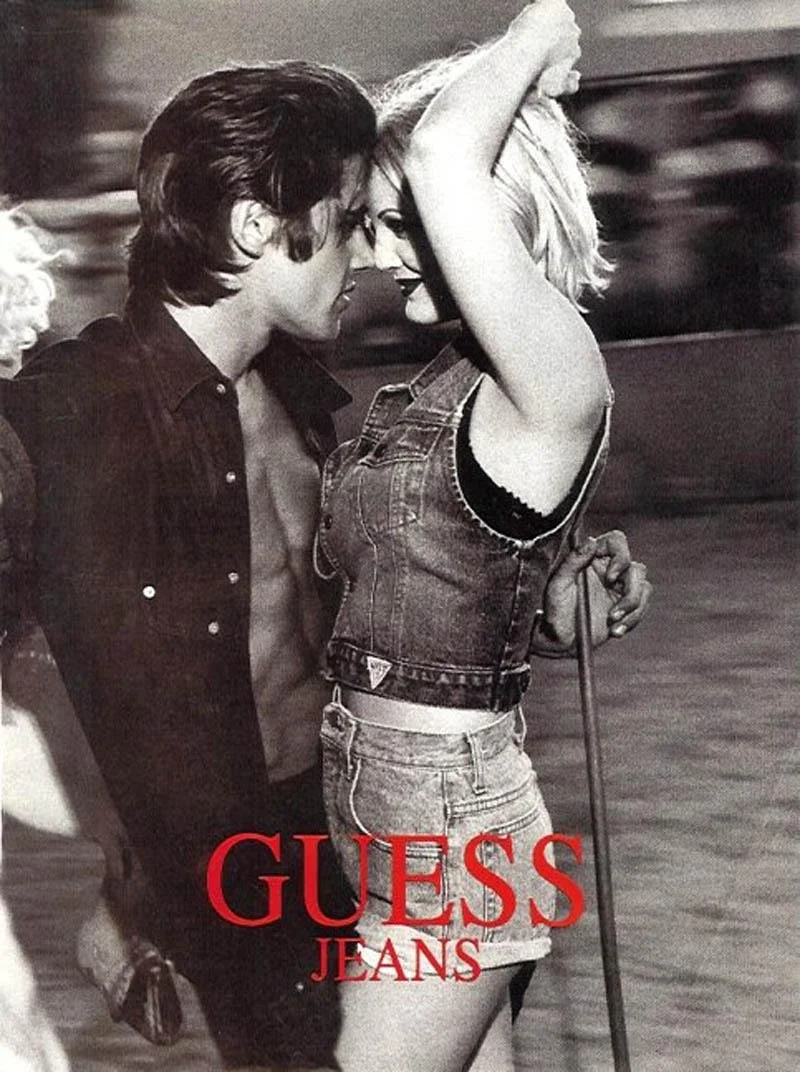
Even fashion and advertising, particularly Guess campaigns, leaned into this tension: soft light, hard shadows, emotional ambiguity.
From Underground to Surface
Much of this sensibility already existed in underground or adjacent spaces, ambient, art pop, early dream pop, and experimental film.
What changed between 1989 and 1991 is that the mainstream briefly made room for it.
Artists weren’t necessarily becoming more experimental.
Audiences were becoming more receptive to stillness, ambiguity, and emotional subtlety.
MTV played a critical role here, acting as a bridge between avant-garde visual language and mass exposure.
Across Genres, the Same Dream
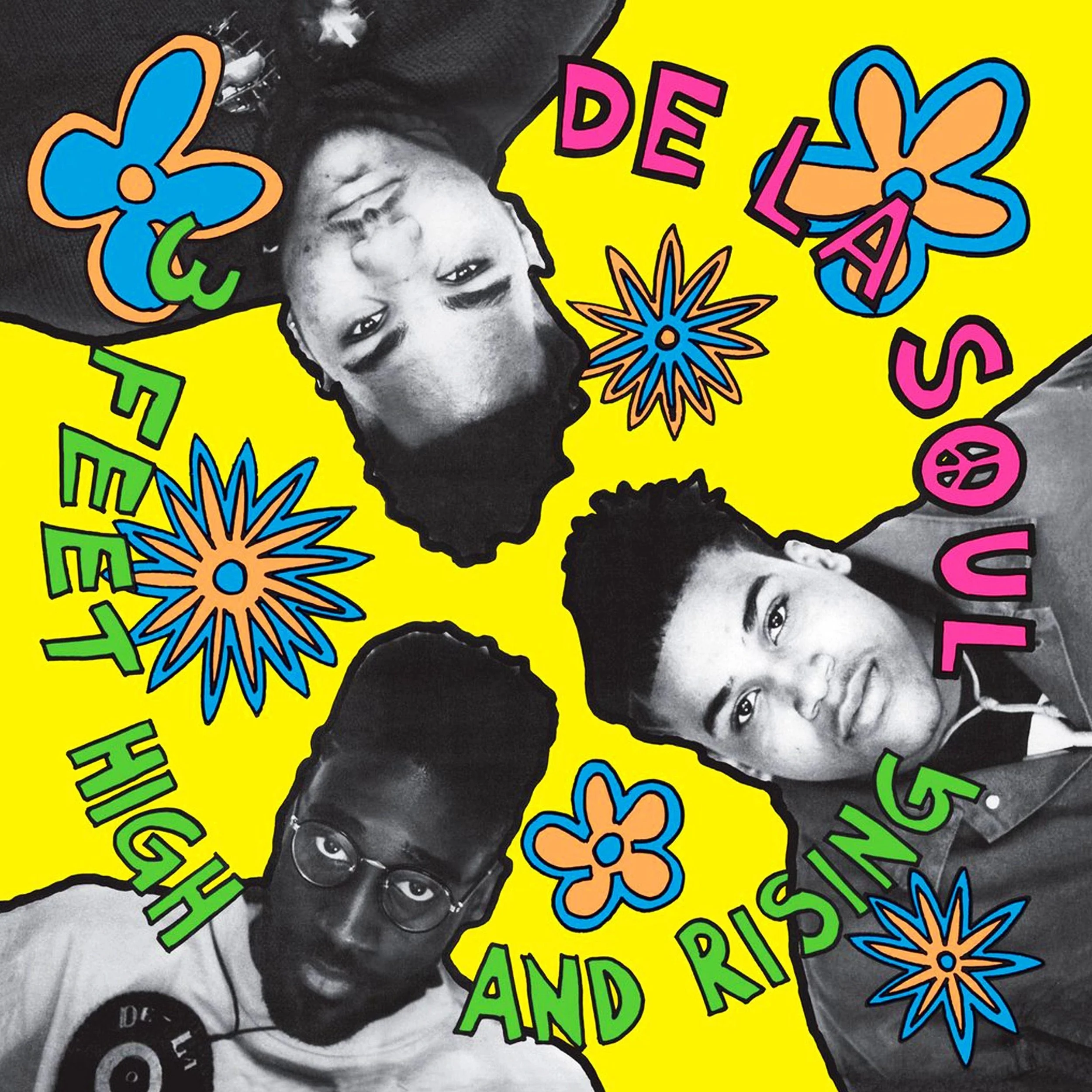
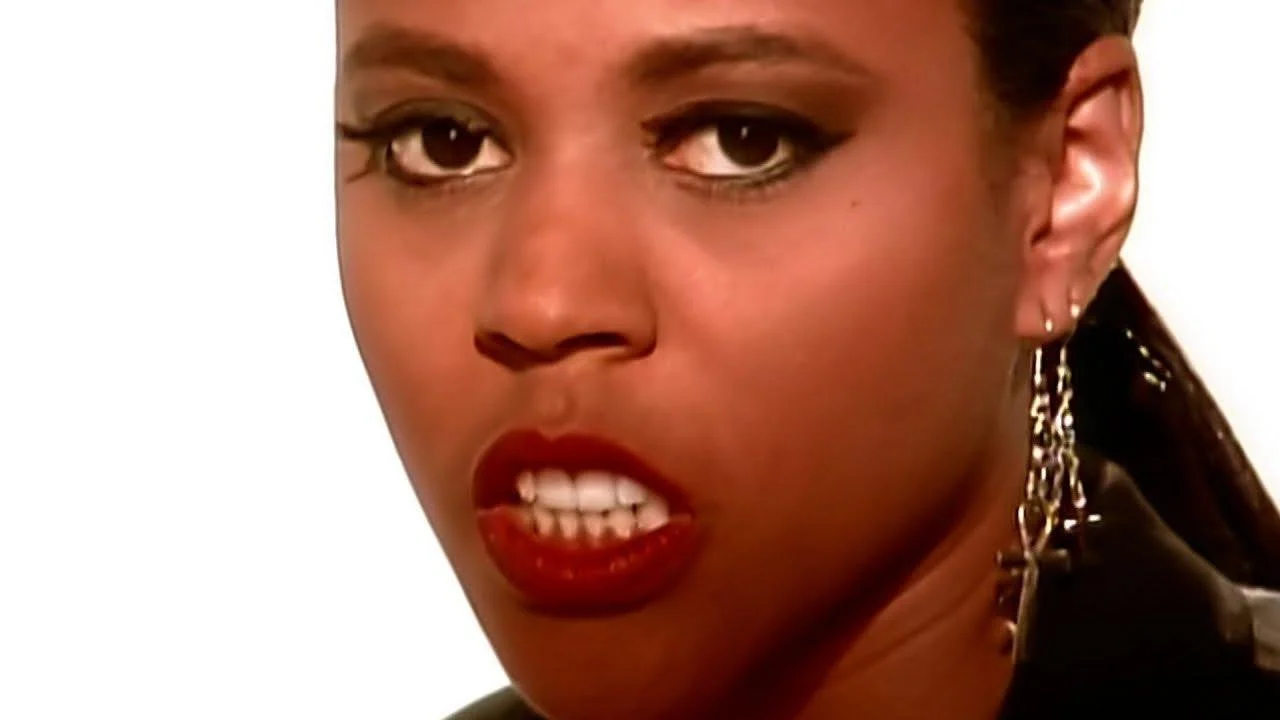
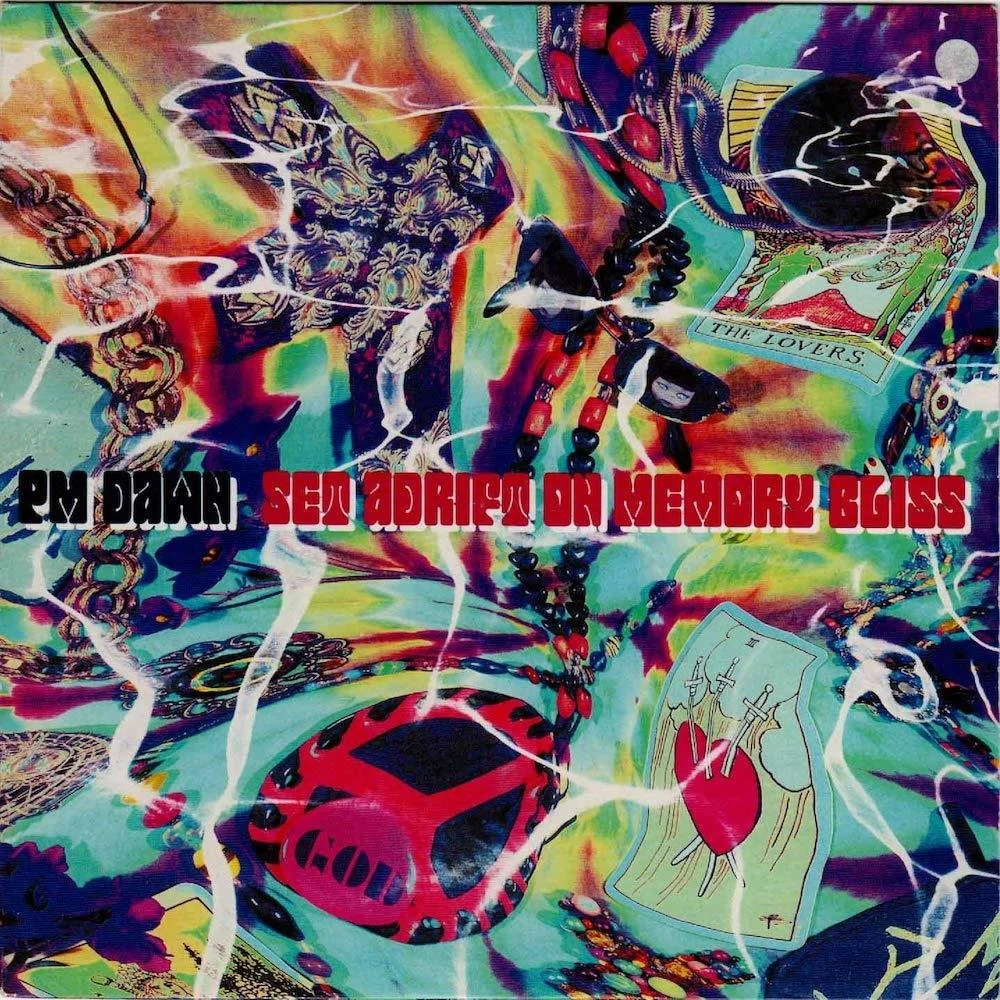
Even many hip-hop and dance tracks of the era drifted into the same emotional space. Songs Gypsy Woman (She's Homeless) carried an unexpected softness, looped, hypnotic, and slightly detached, as if playing from somewhere just out of reach. PM Dawn’s Set Adrift on Memory Bliss may be the clearest example: weightless, nostalgic, and untethered, built on a sample that already felt like a memory dissolving as you heard it.
As I woke from late nights of junior high debauchery, egging houses, prank calls, sugary snacks & drinks, we’d put on Yo! MTV Raps, and some of it still felt like I hadn’t fully woken up, like I was half-asleep in my friend’s wood-paneled basement under a sleeping bag. As I’m rereading this, this part now feels like an episode of Donald Glover’s Atlanta or a deleted scene from a Jordan Peele film. 2 artists who are so fitting - so appropriate, so many decades later in all of this.
These tracks felt like they had wandered in from another world entirely, less street reportage, more dream sequence. It all had an inward, almost dissociative quality.
It wasn’t overt, but the feeling was the same: for a moment, mainstream hip hop brushed up against something surreal, as if it had briefly stepped into one of David Lynch’s red-draped rooms.
A Transitional Mood
This moment sits on a cultural fault line.
The Cold War was ending. The optimism and excess of the 1980s were fading. A new decade hadn’t yet defined its voice.
The result was a kind of emotional suspension, neither hopeful nor despairing, but quietly uncertain.
That uncertainty is what gives these works their shared tone:
They don’t resolve. They linger.
Even today, I’m a sucker for artists like Beach House who carry that dark-warmth contrast in almost all that they do artistically. Even their name: A Beach House on a cold winter day on the DelMarVa coast sounds just as nice, if not nicer, than on a 4th of July weekend.
Before the Shift
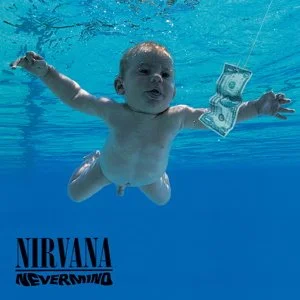
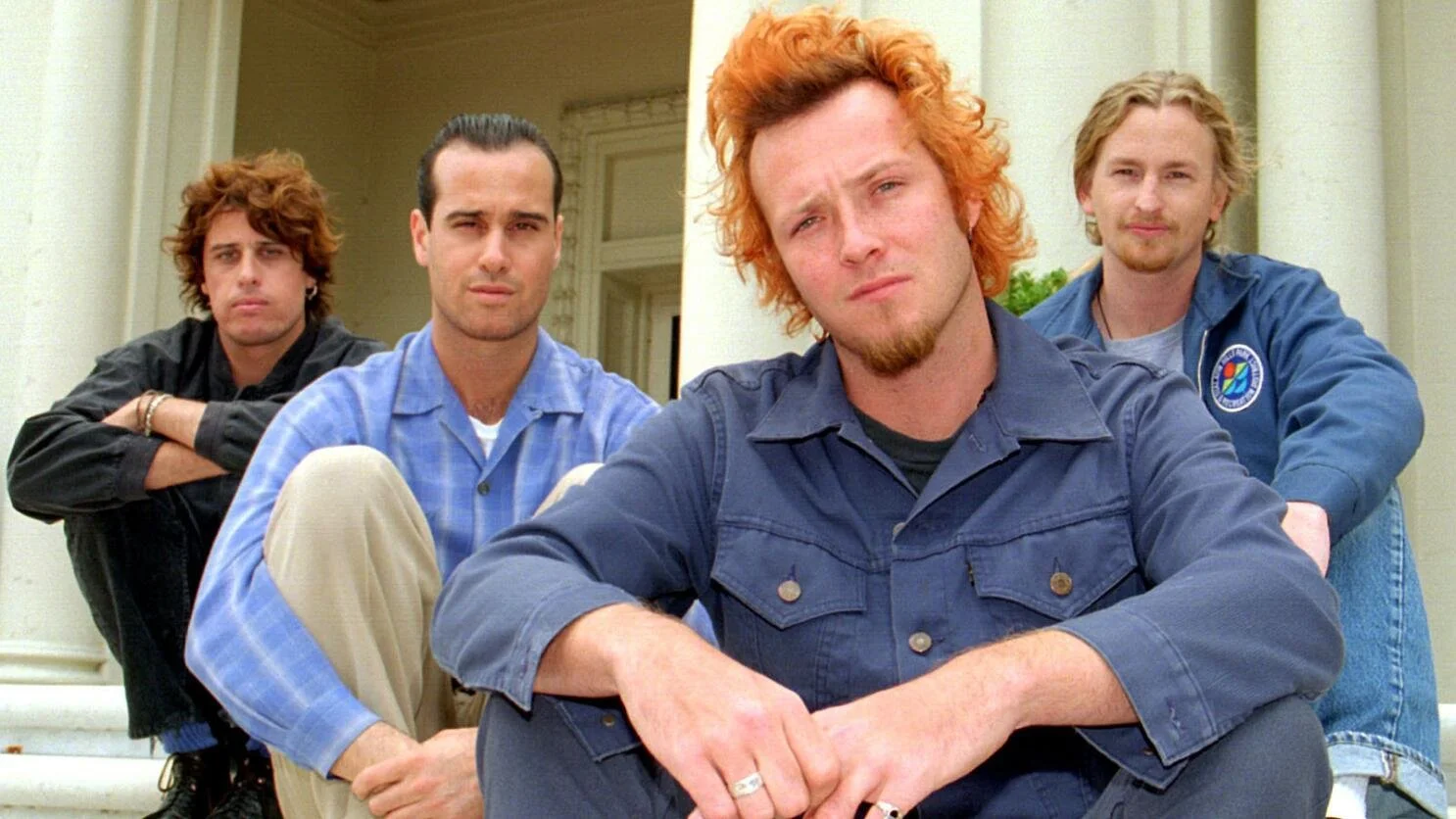
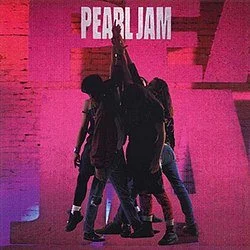
By 1992, the atmosphere had changed.
The rise of grunge and alternative rock replaced this polished melancholy with something more direct, more physical, less stylized. The dream dissolved into something heavier, louder, and harder to aestheticize.
In hindsight, 1989–1991 reads as a liminal phase: a moment when mainstream culture briefly embraced dream logic, restraint, and emotional ambiguity, before moving on.
What to Call It
At the time, it had no name.
Looking back, you could call it:
Dark Warmth
Dream Noir Pop
Pre-Grunge Dream State
Or:
the moment when dream pop sensibility crossed into the mainstream…without announcing itself.
by Edward Enciu
for Artifacts Journal