CineMorph - Anamorphic Bokeh & Flare Filters




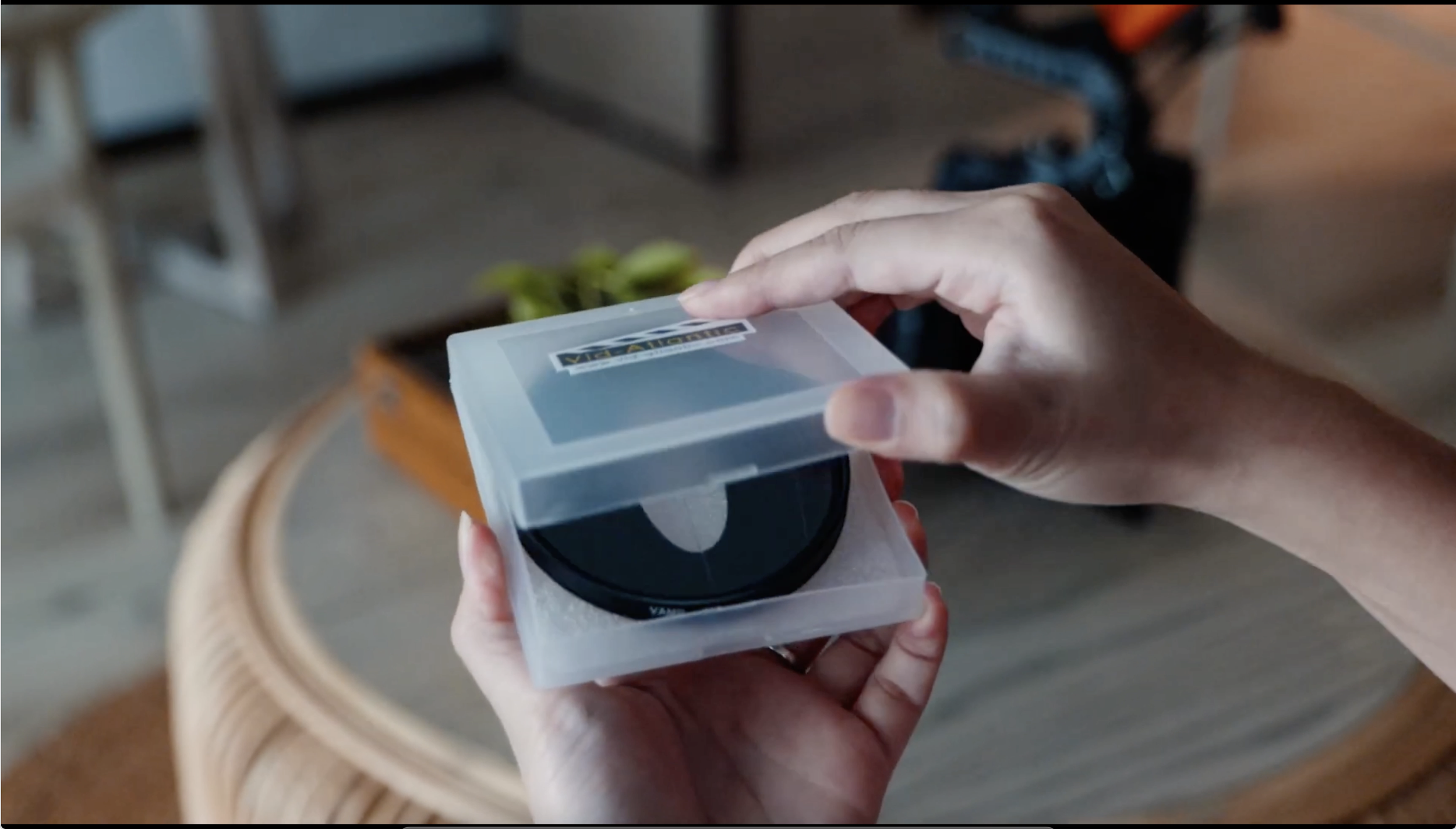


CineMorph - Anamorphic Bokeh & Flare Filters
Anamorphic-Looks using standard SLR lenses
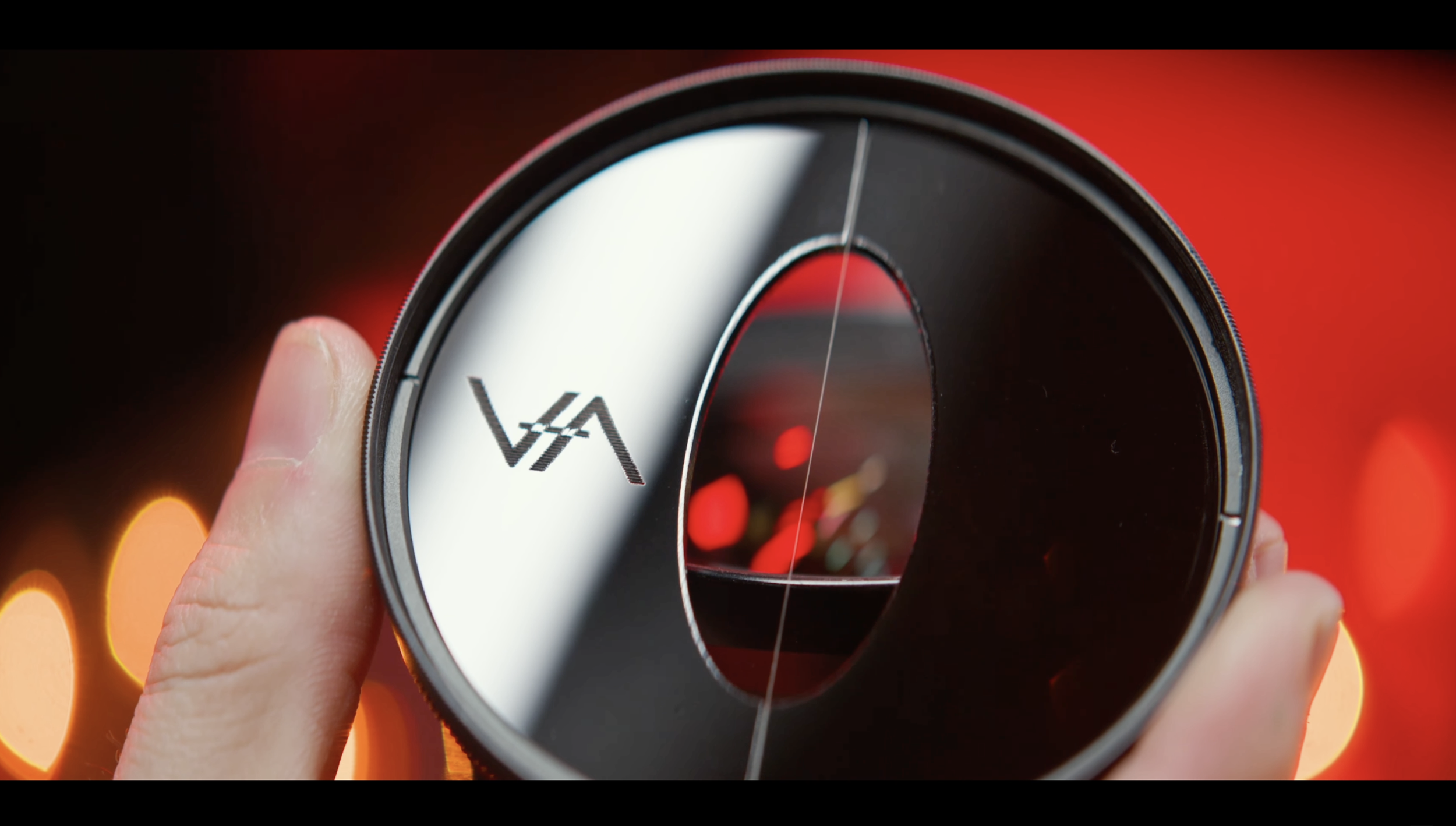
CineMorph filters deliver the defining traits of anamorphic lenses: oval (vertical, waterfall) bokeh and cinematic flares/streaks, without the cost or complexity of true anamorphic setups.
Thanks to Manit Monsur & Tito Ferradans for the various images above.
Originally designed to work hand-in-hand with real Anamorphic Lenses, CineMorph Filter footage matched so effortlessly for focus-pulling and fast setups that filmmakers soon began relying on it as their primary A-camera tool for a consistent, cinematic look.
For best results, use CineMorph on medium to tight focal lengths (50mm and longer) with fast apertures between f0.95 and f2.8 - what we call “anamorphic-friendly SLR lenses.” Reliable examples include most 50mm f1.8 lenses, the Helios 58mm f2, Jupiter or Nikon 85mm f2, and other classic 50mm–55mm f1.4 primes.
These lenses are sharp, affordable, and fun to use with or without anamorphic filters. Our Flare-Streak filters work with most SLR lenses over 20mm and don't have the same limitations as the CineMorph Filter does. Find it HERE.
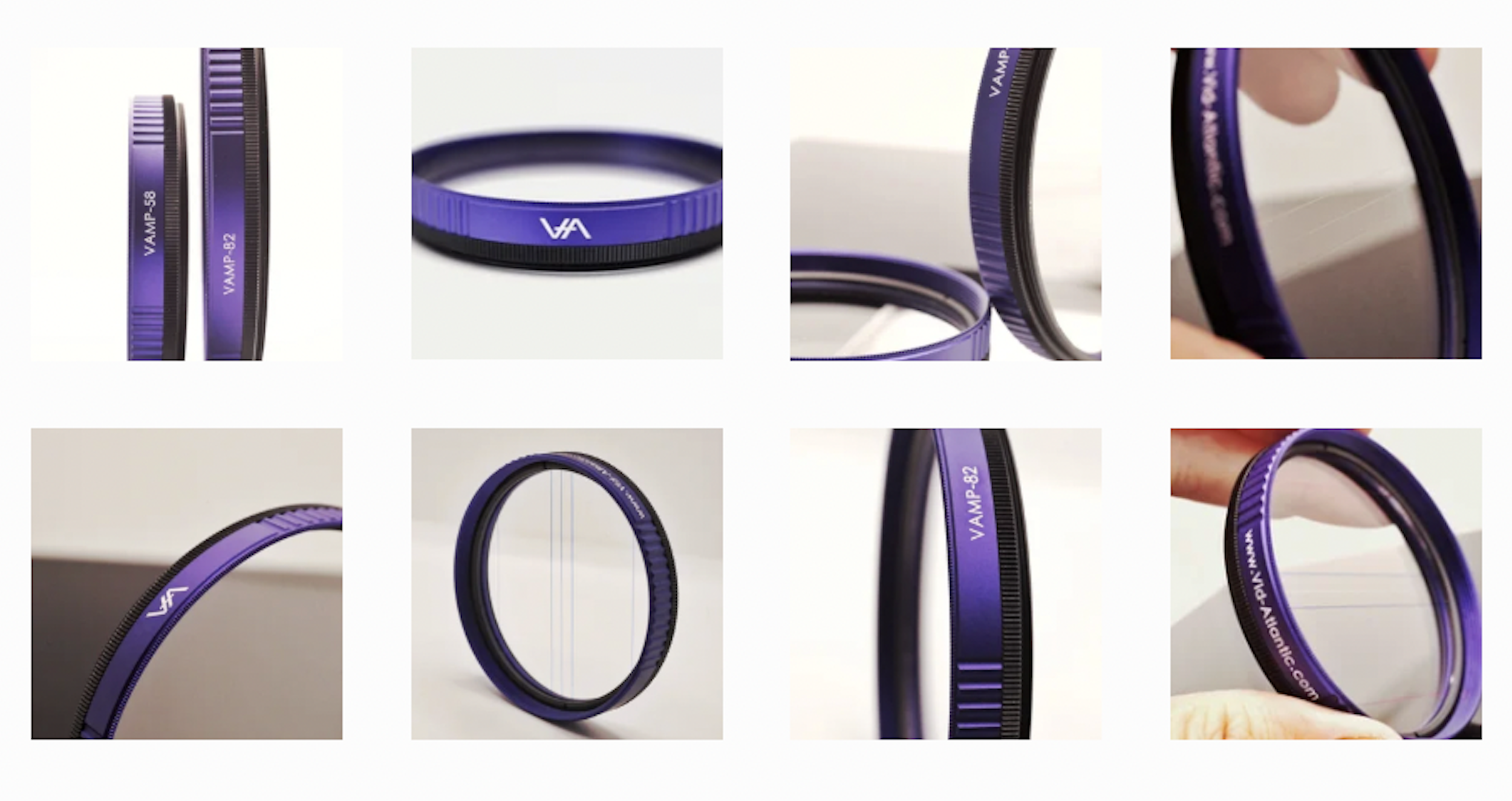
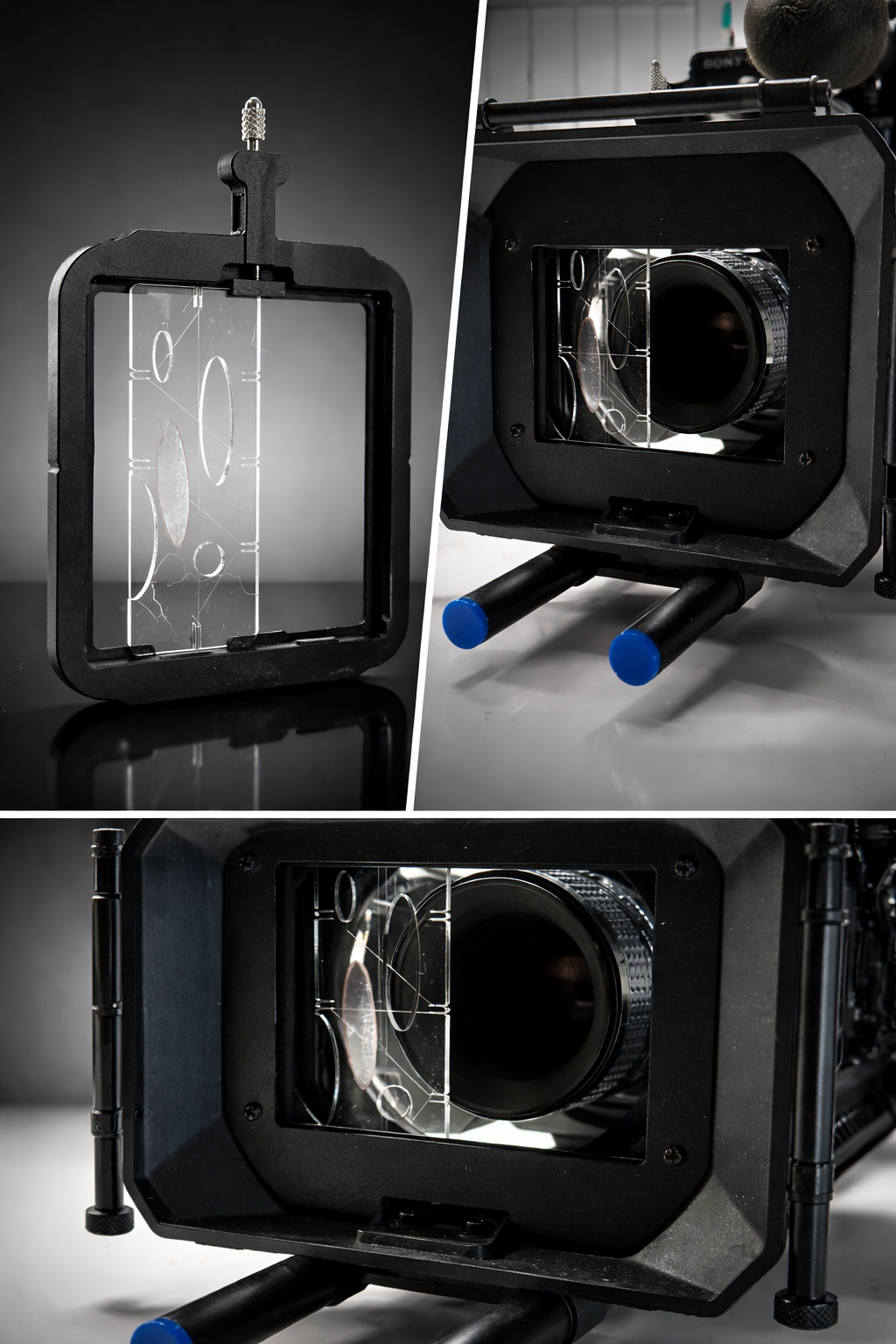
Available in both front- (for medium to tele focal lengths) and rear-mounted options (for wider focal lengths), they convert your lens into a hybrid anamorphic system, delivering a look traditionally associated with lenses costing tens of thousands per unit.
They mount like standard photo filters and are compatible with a wide range of SLR, DSLR, mirrorless, and cinema lenses.
What is the Glass-less Version?
Our Glass-less CineMorph works exactly like the glass version; the anamorphic effects are identical (oval bokeh + streak flares).
Many users already remove the glass to reduce reflections and ghosting, especially when stacking other filters such as ND, variable ND/faders, diopters, or polarizers. The Glass-less option saves you the extra step and saves you a few bucks!
About Larger Filter Sizes
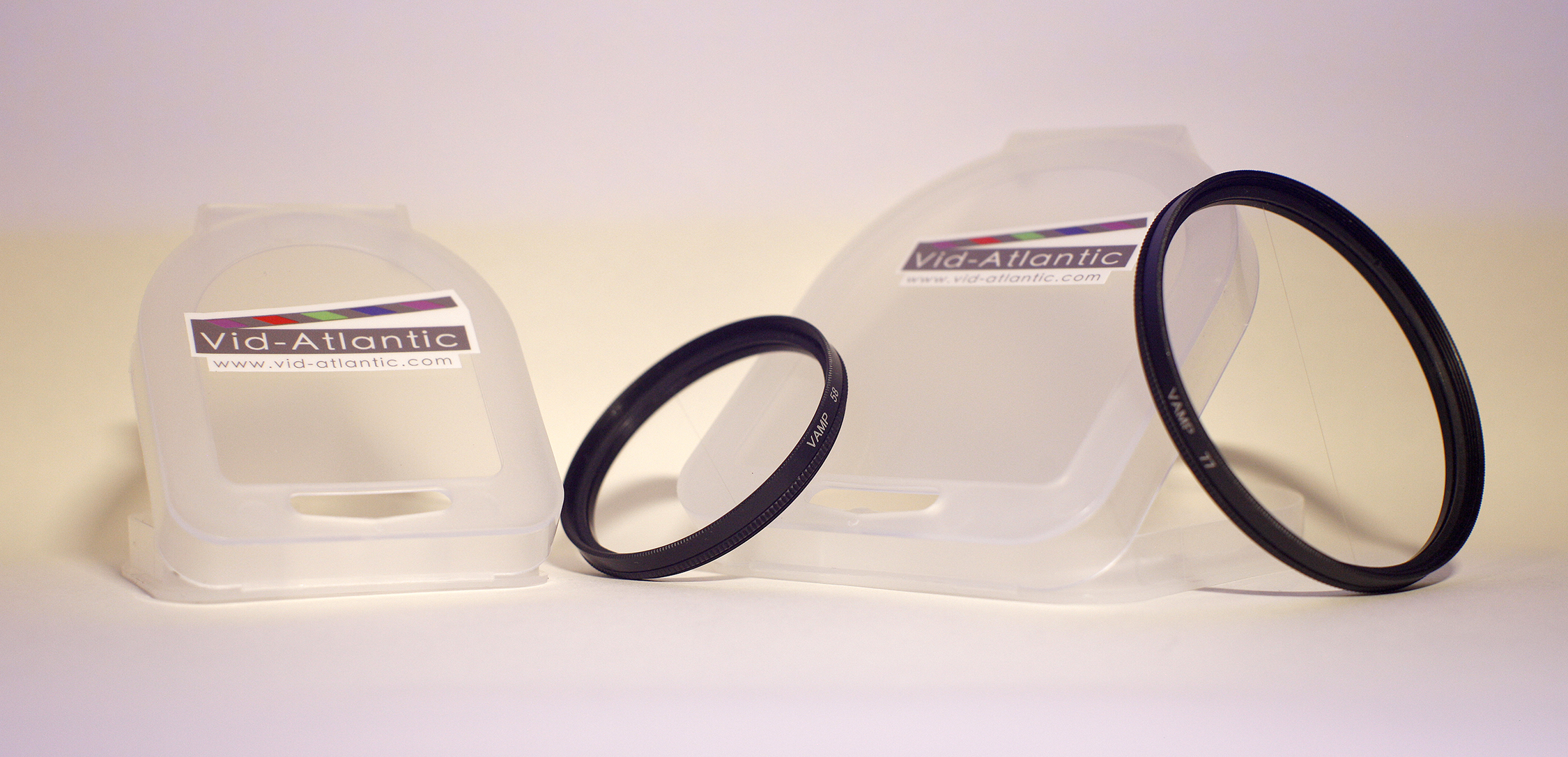
77mm and 82mm CineMorph filters are not recommended for smaller-front lenses.
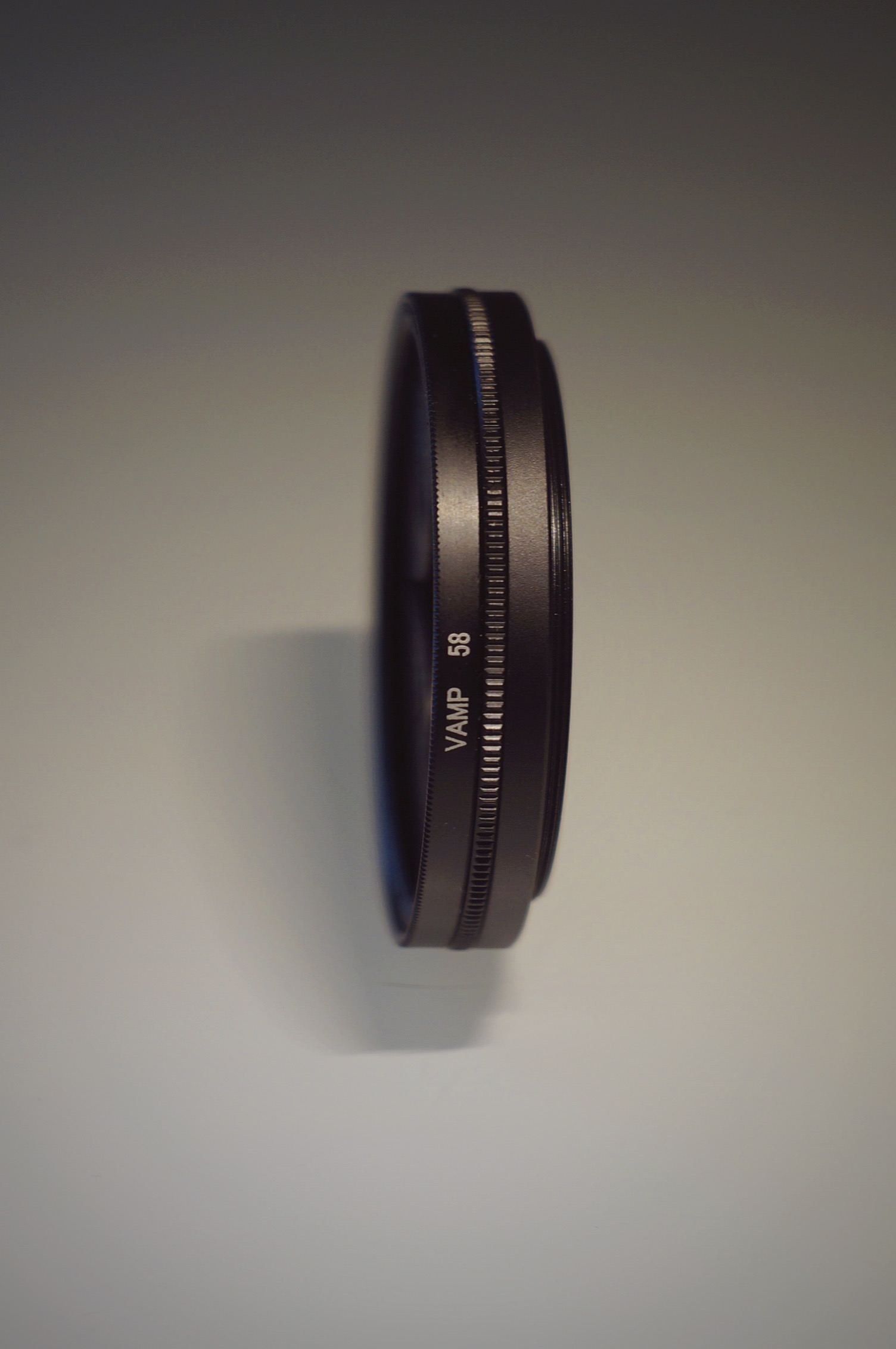
Use a 58mm CineMorph with a step ring instead for better results.Only a small number of lenses can properly use 77mm or 82mm CineMorph filters due to focal-length and aperture limits.
However, 77mm and 82mm Flare-Streak filters (without the Oval Bokeh Component) work well on most lenses over 20mm and do not have these restrictions.

To give even more of an anamorphic effect when using our CineMorph filters, please consider the following post-editing effects.
Apply a 4 or 5% vertical stretch; this helps to create even more of a CinemaScope look.
Apply a slight outward lens distortion or bowing effect; this is a true characteristic of real Anamorphic/CinemaScope optics. This is an easy effect to apply to each clip in Davinci Resolve using the Lens Correction slider in the video clip settings.
Apply a 2.40:1 (or any ratio of your choosing) LetterBox mask. Be sure to film with the post aspect ratio in mind.
Why Choose CineMorph Over a Real Anamorphic Lens?
The CineMorph Filter delivers the essential anamorphic look; oval “waterfall” bokeh, horizontal streaks, and stylized flares without the heavy rigging, dual-focusing, or high cost of true anamorphic lenses. It’s a fast, flexible “anamorfake” approach designed for standard SLR or cinema lenses.
Natural 16:9 Workflow
The CineMorph Filters do not squeeze the image, so you can shoot normally in 16:9 and crop to your preferred aspect ratio in post. Despite being a filter, the CineMorph Filters have even fooled seasoned anamorphic shooters & world-renowned cinematographers in side-by-side tests.
Optical Quality & Alignment
Mounted in a smooth rotating filter frame for easy streak alignment
Uses sharp optical glass (or Glass-less plate) that does not soften the center image
Glass can be removed if needed
Recommended Lenses & Shooting Tips
Aperture: f/0.95 – f/2.8 (ideal to shoot wide open)
Lens Type: Prime lenses with smaller front diameters
The CineMorph Filter supports true focus-pulling and rack focus, something that’s difficult or impossible with many traditional anamorphic projection setups that require dual focusing.
Filter Stacking
All CineMorph filters include matching front + rear threads, so you can stack:
ND / Variable ND
Polarizers
Diopters
Wide-angle converters (for a broader field of view)
Some zoom lenses can work with CineMorph, but only if they have smaller front elements. For example, a Canon 70–200 mm on a full-frame sensor will not work at focal lengths below 150mm because the front element is too large to properly shoot through the CineMorph bokeh mask.
See our CineMorph Mod Filter for the Canon-mount Sigma 18–35 mm f/1.8 HERE.
As with true anamorphic setups, CineMorph performs best on older SLR lenses; Canon, Nikon, and M42-mount Russian or Japanese primes with 49mm to 62mm front diameters. Classic lenses like the 50mm f/1.8, 58mm f/2, 85mm f/2, 100mm f/2.8, and 135mm f/2.8 produce excellent results. These vintage primes are sharp, well-built, fun to use, and typically far more affordable than modern equivalents.
FAQs
Q: Do you offer a Flare-only filter without the oval anamorphic bokeh?
A: Yes. Check out our dedicated Flare / Streak Filter, which gives you streak flares without the oval bokeh effect. Available HERE!
Q: What lenses work best with the CineMorph?
A: We recommend classic manual-focus lenses such as:
Nikon AI & E-Series: 85mm f/2, 100mm f/2.8, 135mm
Helios 58mm f/2
Jupiter 85mm f/2
Tair 135mm f/2.8
Takumar 55mm f/1.8
Canon FD Primes
Use the proper adapter for your camera system (e.g., Nikon → EOS, FD → EOS, M42 → Sony E, etc.). These adapters are inexpensive and easy to find on Amazon, eBay, or most camera stores.
Note: On wider focal lengths (especially with crop sensors), flare/streak lines appear shorter in the frame. This is normal.

‘Anamorphic Friendly’ SLR lenses tend to be portrait-range focal lengths that have smaller front elements and faster/wider apertures.